
Published February 2026 | Read time 15 minutes
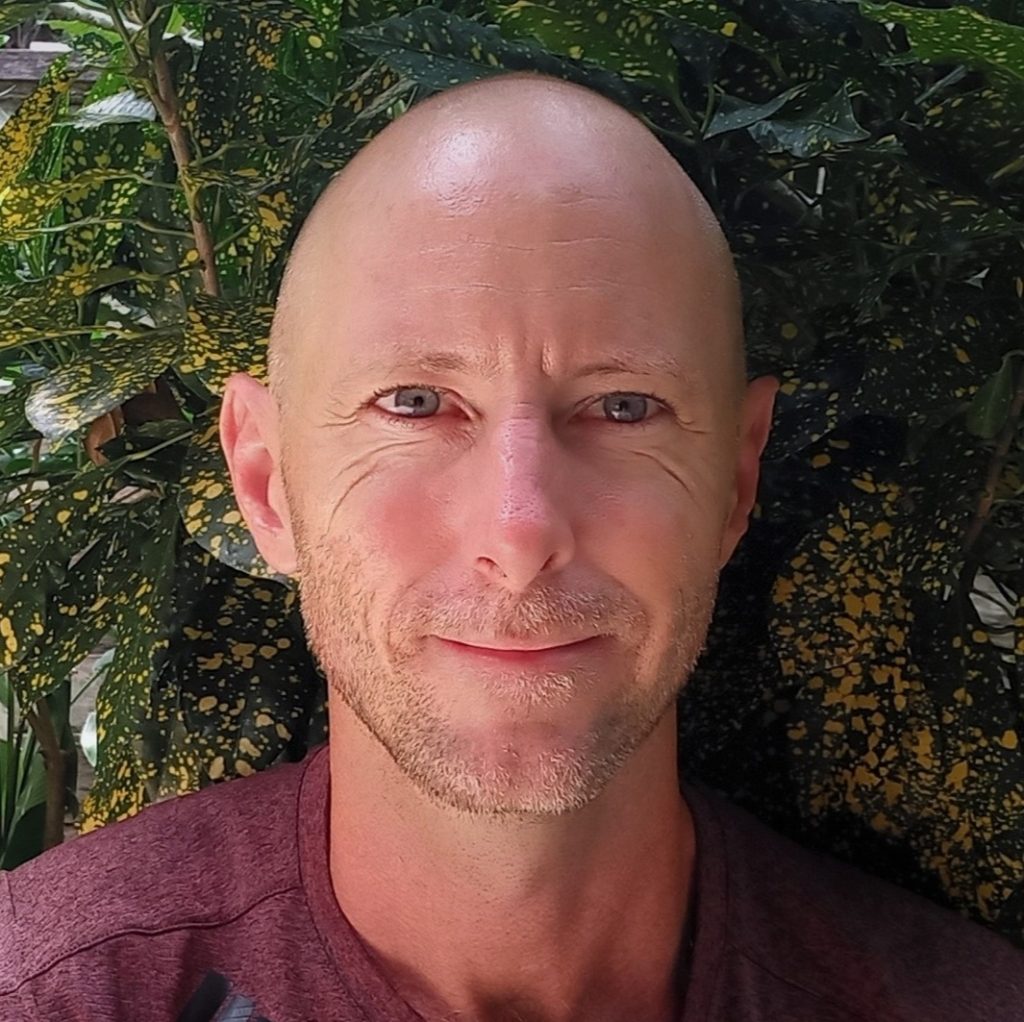
Tom Divers is the founder and creator of Vietnam Coracle. In 2005 he moved from his native London to Vietnam, where he has been living, working and travelling ever since. He pays rent in Ho Chi Minh City but is more often on the road, riding his motorbike a quarter of a million kilometres across Vietnam to research guides to the farthest-flung corners of the nation. When he’s not in the saddle, you’ll find him on a beach with a margarita, in a tent on a mountainside or at a streetside noodle house: in other words, at the ‘office’. Read more about Tom: Q&A, About Page, Vietnam Tourism website.
Lunar New Year Q&A with the Vietnam Coracle Team
As Vietnam begins its Tết Lunar New Year holiday, we welcome the Year of the Fire Horse with a special question-and-answer post with all the current contributing writers on Vietnam Coracle. I gave 5 questions to each of our writers and photographers – Phương Lê, Martin Misiak and Luke Digweed – as well as the opportunity for them to ask me one in return. Each writer submitted their own (excellent) photos to illustrate this post. After last year’s record-breaking tourist numbers in Vietnam, we discuss travel trends in the new year, where to go, where to avoid, how to get off the beaten path, road trip playlists and more. I’d like to thank each writer for their excellent work last lunar year, as well as everyone else who has contributed to this website in various ways over the last 12 cycles of the moon. Happy New Year! – Chúc Mừng Năm Mới! And here’s hoping the Year of the Fire Horse will be a good one.❤️If you enjoy this website, please support my work with a donation or join my Patreon community or purchase an Offline Guide & Map – I run Vietnam Coracle at a consistent loss. Thank you, Tom
[Back Top]
LUNAR NEW YEAR Q&A
Click a writer’s name from the contents below to read their answers to my questions and see their photos. For more articles like this, see Related Posts.❤️If you enjoy Vietnam Coracle, please support it with a donation or join my Patreon community or purchase an Offline Guide & Map.
Contents:
❤️ Support Us
❤️If you like Vietnam Coracle, please support it with a donation or become a member of my Patreon community or purchase an Offline Guide & Map. This website relies on reader support to maintain its independence & quality. Thank you, Tom

Support My Work
Free | Independent | No Sponsored Content
“Hello, if you enjoy my website, please support it.
Thank you.” Tom
Phương Lê:

Phương Lê is a contributing writer for Vietnam Coracle. Having lived in all three regions of Vietnam, she has a deep understanding of the country’s cultural diversity. Currently working as an independent photographer and writer, her work has been featured in various media outlets. As a photo tour guide, she provides not only photographic guidance but also meaningful connections for photography and culture enthusiasts with an authentic Vietnam.
[To see Phương Lê’s full Vietnam Coracle archive click here]
Question 1: What was your most memorable travel or travel-related experience within Vietnam last year and why?
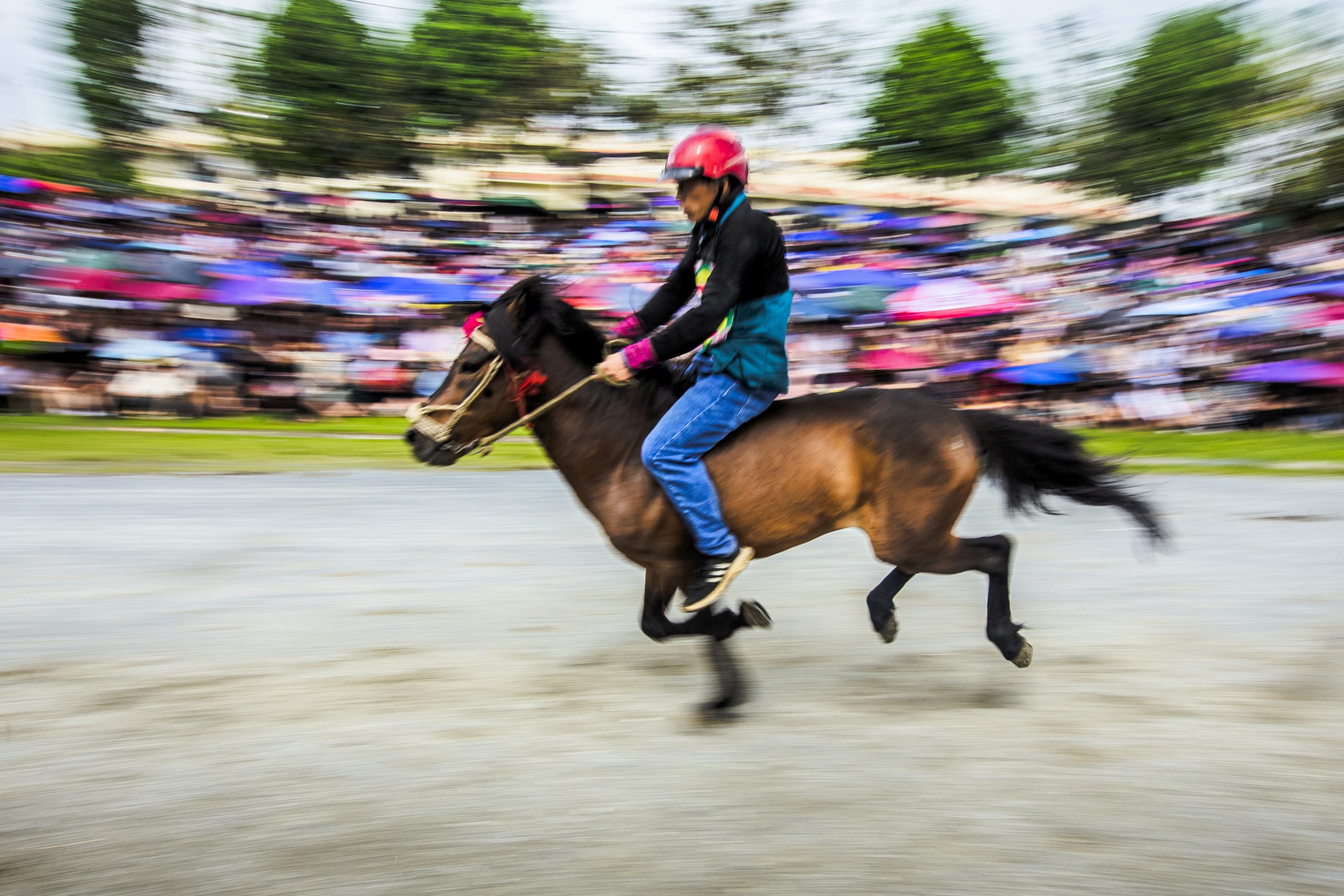
“My most memorable trip was to Bắc Hà for the Horse Racing Festival. By coincidence, it’s connected to the horse, the animal of the upcoming lunar year. The energy, vibrant colors, and rich local traditions made it truly unforgettable. Horses play an important role in the H’Mong community, appearing in many aspects of daily life. I also really enjoyed the Sunday Market in Bắc Hà. Although the market has become more touristy over the years, I always find something fascinating in this mountain market.”
Question 2: What’s on your travel radar for Vietnam in the Year of the Fire Horse and what trends do you expect to see?
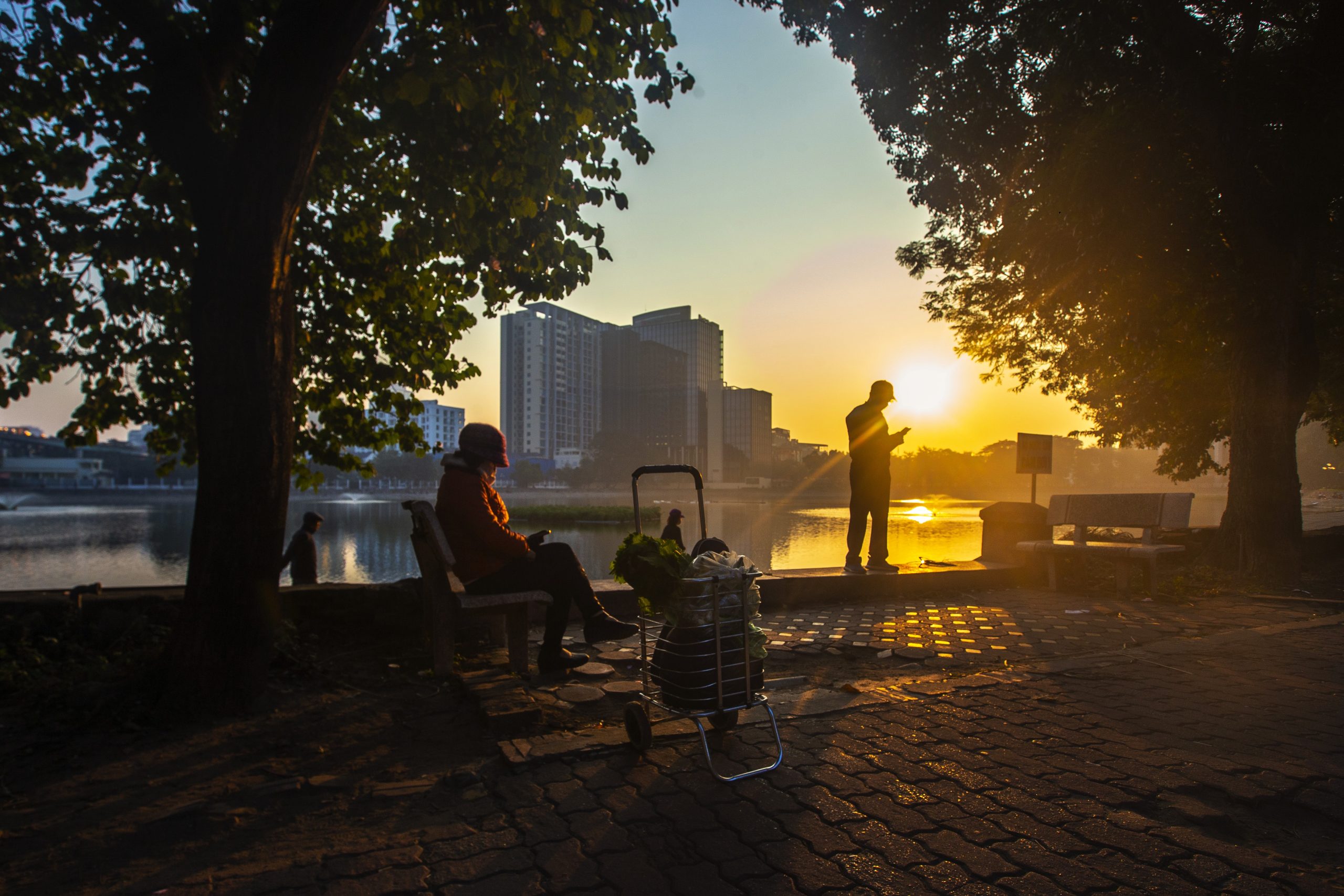
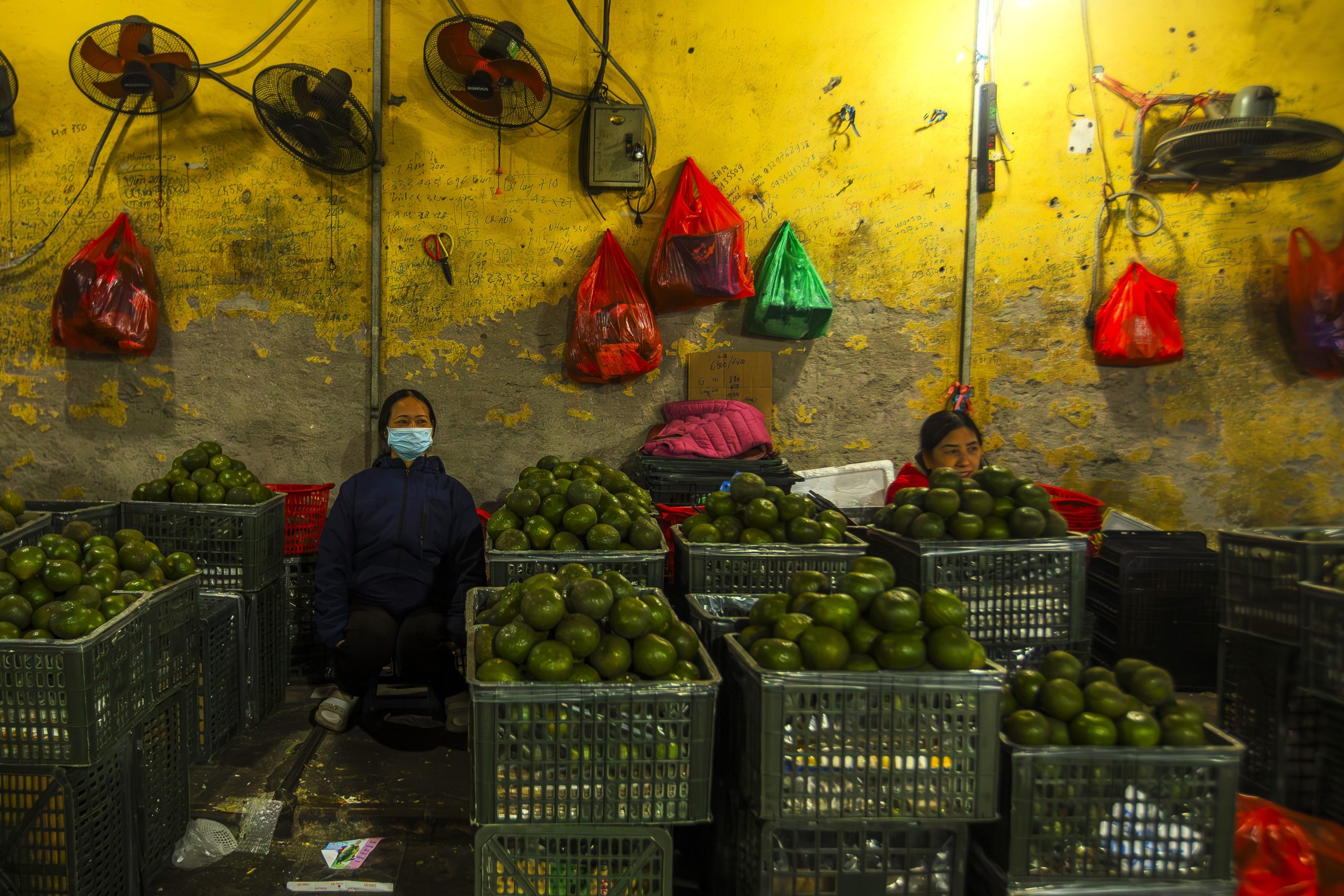
“I’ve traveled extensively across Vietnam over the past ten years. Next year, I plan to spend more time deepening my understanding of Vietnamese culture, exploring Hà Nội, the city where I currently live, delving into its urban life and uncovering hidden gems right in my own backyard. I want to build diverse photography tours in Hà Nội that attract both photographers and culture enthusiasts, offering them a chance to experience local neighborhoods through the lens rather than sticking to tourist hotspots. From people exercising in the park early in the morning, to elderly folks playing chess or ping pong, and exploring the bustling night markets, I believe travelers can discover the city’s off-the-beaten-path experiences in a big city. Another area I’d love to research further for photography and cultural exploration over the next couple of years is Vietnam’s Central Highlands. It seems incredibly captivating and full of potential.”
Question 3: Last year, Vietnam posted record numbers for tourism, but (in my opinion and experience) adventurous, off-the-beaten-path travel has declined. How do you suggest travellers get off the beaten path in Vietnam and what are the advantages of doing so?
“In my opinion, to truly go off the beaten path in Vietnam, travelers should do thorough research beforehand using reliable websites, travel blogs, and online guides. Consulting locals can be invaluable. They know hidden gems, local etiquette, and can help avoid cultural misunderstandings. This approach allows travelers to immerse themselves in the local culture, save time, and gain authentic experiences beyond the typical tourist trail.”
Question 4: Imagine it were legal to wear headphones and listen to music while riding your motorbike in Vietnam; what would be your (brief) road trip playlist?
“I actually prefer the natural sounds such as the wind, birds, and the hum of the city over listening to music while riding. During my travels, I usually limit my use of technology, except for my camera, which is essential for photography and research.”
Question 5: If you could only give one pearl of wisdom to travellers coming to Vietnam in the Year of the Fire Horse, what would it be?
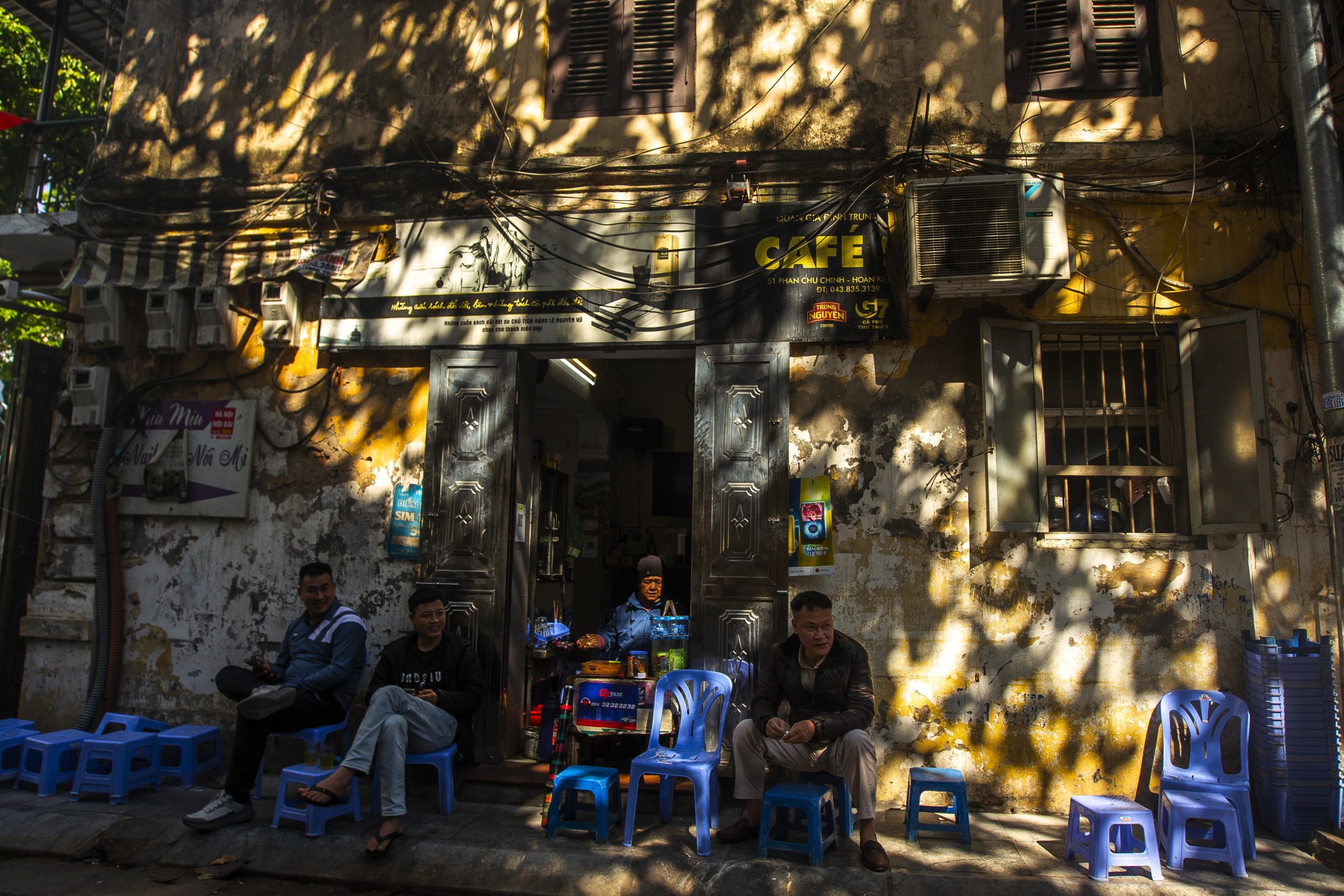
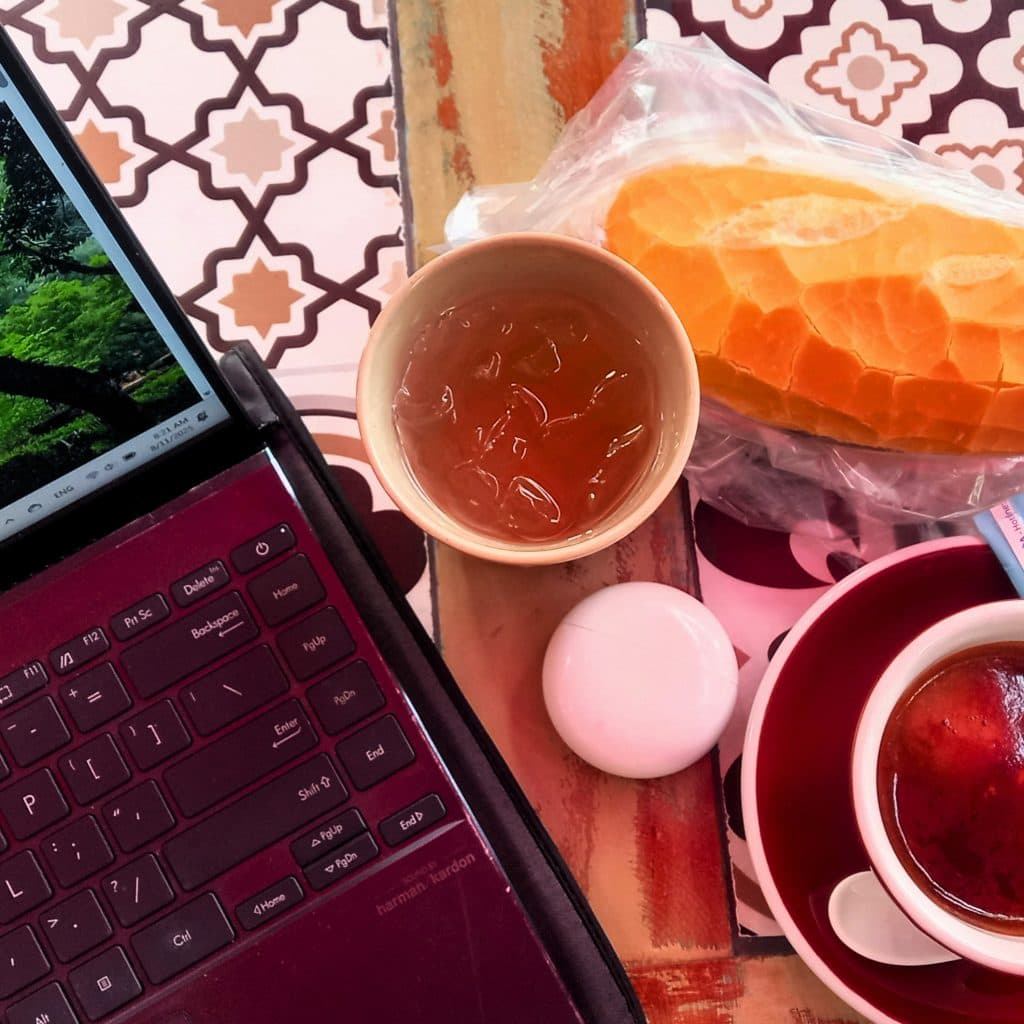
“Take a moment to enjoy a sip of iced tea from a streetside vendor in Hà Nội or get a haircut at a local street barber. This is a chance to experience the everyday life of the city’s residents.”
Question 6: You’ve got one question for me (Tom), what is it?
“What are your plans for Vietnam Coracle website in 2026, both in terms of content and visuals? Are there plans to develop new products, such as guidebooks, or other offerings?”
Tom’s answer: “Over the next year, I plan to push forward with creating more short-form video content to help illustrate my guides and add to the Vietnam Coracle YouTube channel. These short films will act as trails for new or updated guides: the first thing a reader will see will be the video, which should be a good introduction to the subject of the guide – if they like what they see in the video, they can continue reading the full guide to find actionable information about how to experience it for themselves. I’ve already started to create more videos over the previous few months for several of my Mekong Delta guides. I also plan to keep adding to the ever-growing library of Vietnam Coracle Offline Guides & Maps, which help travellers navigate many of my motorbike routes and destinations, even when they don’t have an internet connection. In addition, now that I have resigned from my teaching position, I plan to make a couple of long research trips to parts of Central Vietnam and the far northern mountains to produce new guides to exciting places and update old content. Something I’ve also been contemplating for a long time is creating a Vietnam Coracle T-shirt and hoodie and selling them via the website, but we’ll see whether than becomes a reality or not.”
Martin Misiak:

Martin Misiak is a veteran science teacher born in New York City but based in Saigon (Ho Chi Minh City) since 2019. He grew up moving frequently, shaping his appreciation of history, travel and diverse cultures. An active meddler in analog everything – from cars and motorcycles to cameras – his photos and writing have featured in a variety of online magazines. Having visited most of Vietnam’s iconic sites, he now looks forward to discovering lesser-known destinations, aspiring to do them justice in pictures and prose.
[To see Martin Misiak’s full Vietnam Coracle archive click here]
Question 1: What was your most memorable travel or travel-related experience within Vietnam last year and why?
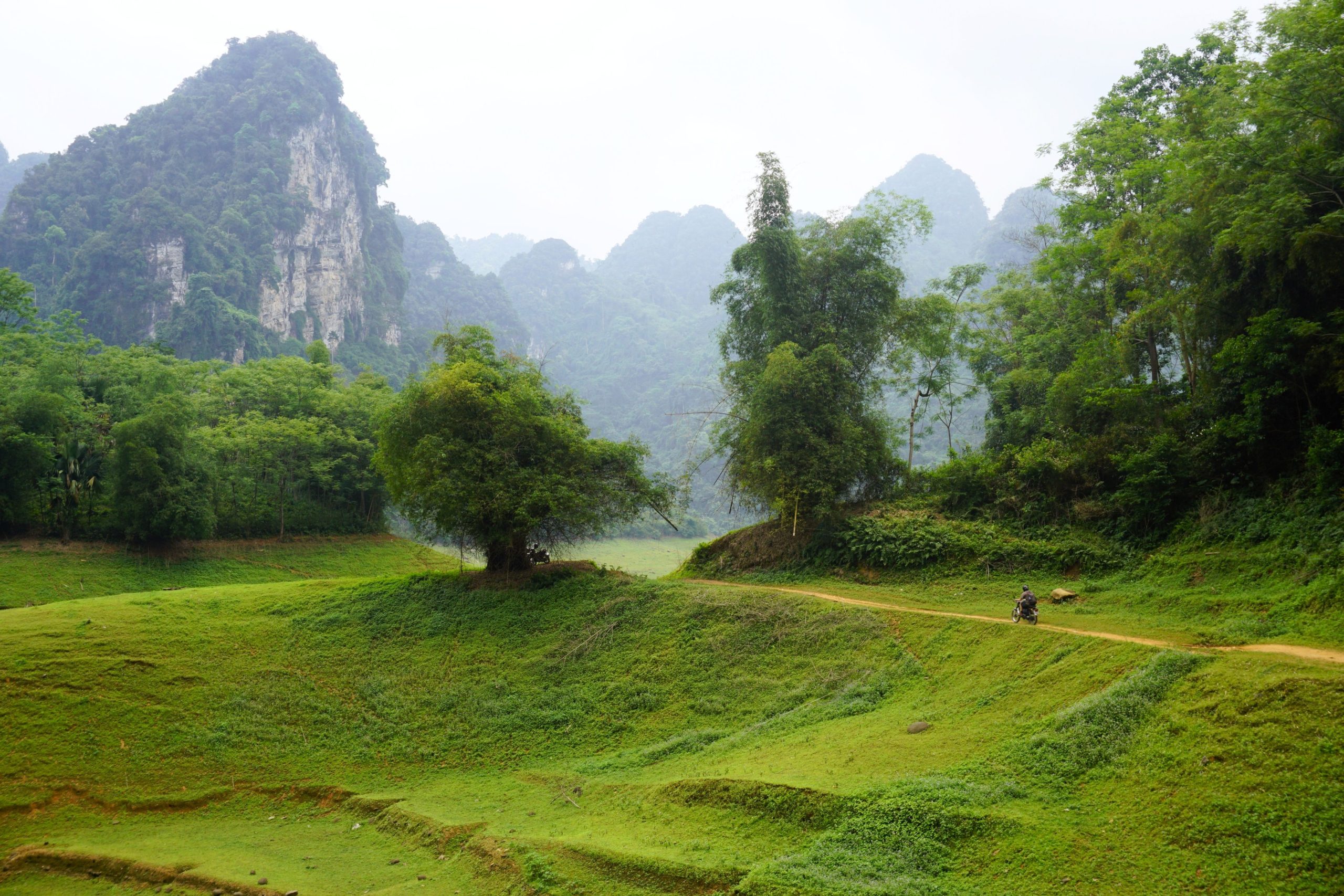
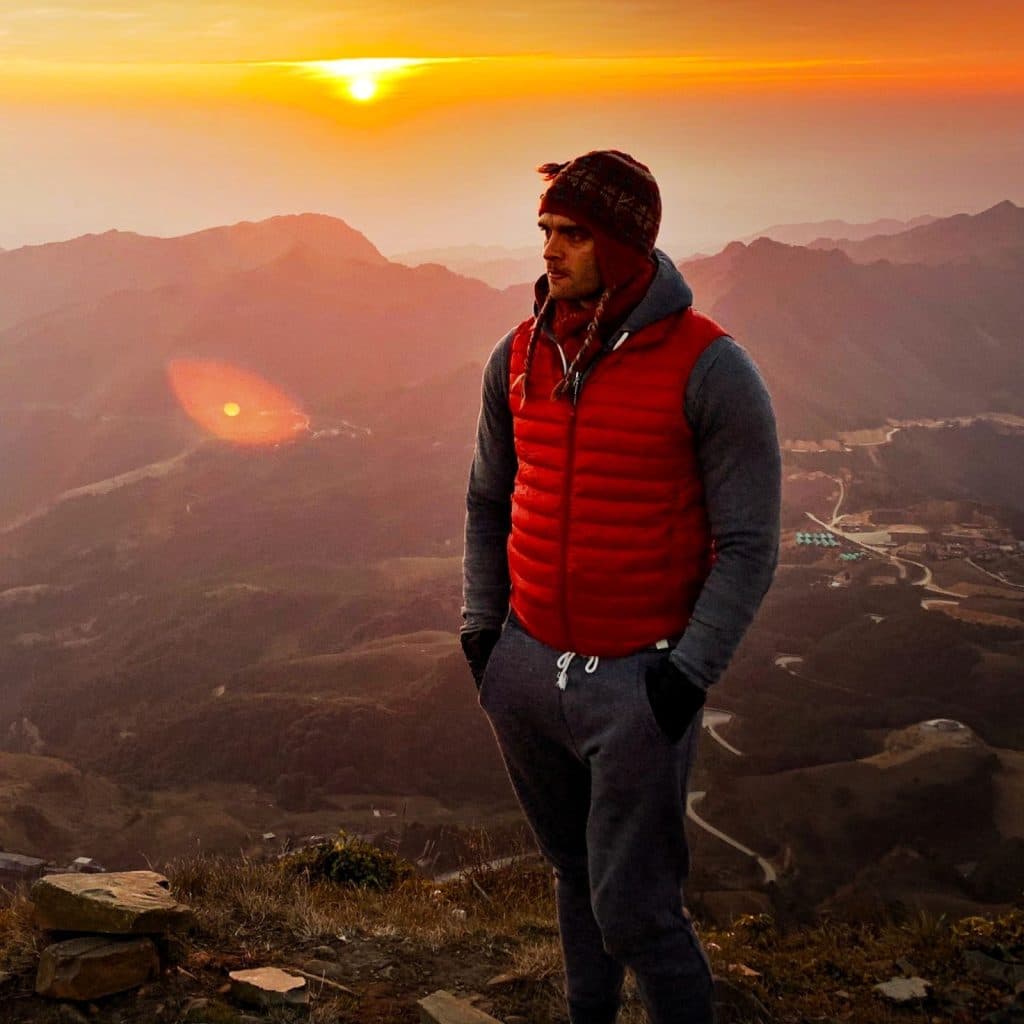
“After slipping through my fingers for years, I finally went to Sapa for a hike – but for a variety of reasons, aborted my plan. I changed tack, rented a motorbike, and did an unforgettable 300+ km loop into the far reaches of the Hoàng Liên Sơn Mountain Range in the northwest of the country. When I first set off, it was grey, cold and rainy in Sapa and wondered if I was making a mistake – but I pressed on and was rewarded with improved weather, great vistas and had a wonderful experience. It was a valuable lesson in Vietnam travel, where I learned the value of flexibility and experienced how fortune can favor the bold here.”
Question 2: What’s on your travel radar for Vietnam in the Year of the Fire Horse and what trends do you expect to see?
“The area that I’ve explored the least, read the most about, and am most excited to ride is the Central Highlands. Mysterious place names and historically significant landmarks are drawing me in. This year will be more riding along the Laotian border and camping in high-altitude pines. Less wrist-bands, entry fees, crowds, and gift shops.”
Question 3: Last year, Vietnam posted record numbers for tourism, but (in my opinion and experience) adventurous, off-the-beaten-path travel has declined. How do you suggest travellers get off the beaten path in Vietnam and what are the advantages of doing so?
“Spend some time pondering and playing with the map. Zoom in on places that have interesting names or islands that you didn’t realize were there. Click on the satellite layer to find a rich, green patch to penetrate, or a terrain layer to find a valley to ride through or a plateau to summit – surely there must be some kind of settlement there. The main advantage to experiencing Vietnam like this is that you will be in control of your experience – and it will be an authentic one – rather than feeling like you’ve been “processed” through the established tourism machines like Bà Nà Hills or Ninh Bình boat rides.”
Question 4: Imagine it were legal to wear headphones and listen to music while riding your motorbike in Vietnam; what would be your (brief) road trip playlist?
“For countryside riding: Protoje – BIG 45 (listen here). For inner city riding: Gramatik – Dungeon Sound; Street Bangerz Vol. 3 (listen here) and Prof – Light Work (listen here). For mountain riding: No earbuds. Listen for trucks in your lane around blind curves.”
Question 5: If you could only give one pearl of wisdom to travellers coming to Vietnam in the Year of the Fire Horse, what would it be?
“I wasn’t a particularly smiley guy before moving here. Not knowing the language really limits your communication, it turns out! Smiling and eye contact are more helpful than one might imagine in meeting strangers and initiating a conversation. ChatGPT is far superior to Google Translate in helping you with the details.”
Question 6: You’ve got one question for me (Tom), what is it?
“Is there any corner of Vietnam that you HAVEN’T seen yet? Why?”
Tom’s answer: “I’ve visited every province, region and, I suppose, ‘corner’ of Vietnam, but I certainly haven’t been everywhere. There are still many, many more places that I want to go and explore. I’d like to spend more time really getting into areas such as Kon Tum, Quảng Ngãi, Yên Bái, Sơn La, Điện Biên and Cà Mau, among others. Also, because things in Vietnam are constantly changing – new roads open up new regions, new developments reshape old areas – there’s always a good reason to revisit places I’ve been before. Not to mention the places that I’ve always loved and will return to again and again. The more I see of Vietnam, the more I realize how much more there is to see.”

Luke Digweed:

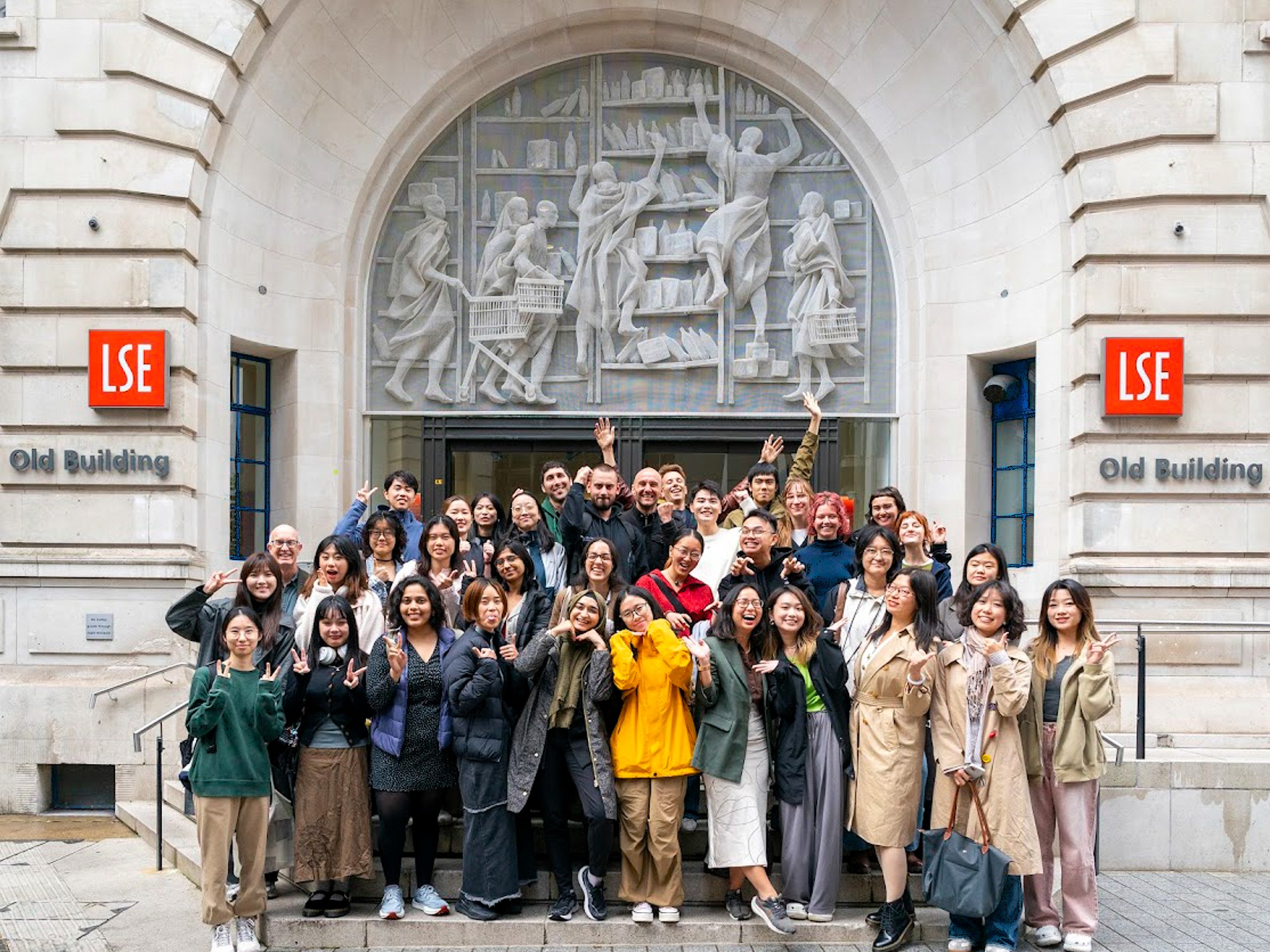
Luke Digweed is a staff writer for Vietnam Coracle and has lived in Vietnam since 2011. He holds an MSc in Social Anthropology from the London School of Economics where he wrote his dissertation on Vietnamese male migrants working in UK nail salons. He has worked on the production of several podcasts, including LSE’s Phelan US Centre show ‘The Ballpark’. While living in Huế, he ran the Huế Grit Tour from 2017–2020. His current Vietnam-centric interests include ceremonies and festivals, food, motion and mobility.
[To see Luke Digweed’s full Vietnam Coracle archive click here]
Question 1: What was your most memorable travel or travel-related experience within Vietnam last year and why?
“After returning to Ho Chi Minh City last year, I found myself travelling Vietnam without really travelling at all. Through the sport of pickleball! Pickleball courts have sprung up across the country and each one functions as a small porous community. Anyone can register for the socials they host. For myself, what started as a way to get back into shape became a practice of diverse social interactions. I was meeting people I’d never normally cross paths with; students, accountants, film producers, influencers, Vietnamese and non-Vietnamese alike. These pick-up games cut through more normalised social bubbles encountered at other public spaces like bars and gyms. I often find myself in exchanges that sometimes culminate in off-court friendships. I’m never certain who I will meet at my next game. For human-centred travellers looking to meet people beyond the tourism circuit, pickleball has become an unexpected vehicle for connection. I plan to explore this topic further in a future Vietnam Coracle article.”
Question 2: What’s on your travel radar for Vietnam in the Year of the Fire Horse and what trends do you expect to see?
“It’s been a while since I’ve properly travelled abroad. With that in mind, part of my travel year will be spent further afield; India, Taiwan and Borneo, budget permitting. I’m hoping this pushes me to remember the merits of travelling within Vietnam itself and reacquaint myself with the perspective of a traveller abroad.
While I haven’t thought much about where to travel in Vietnam recently, my mind immediately goes to the Red River Delta and island hopping off the coast of Cam Ranh. There is also a long-delayed visit to see deeply missed friends in Đà Nẵng and Huế.
I struggle to distinguish between predicting tourist trends and hoping for what will come true. I think Quy Nhơn is an exciting beach city and deserves to see more travellers. A great location for a short or long-term stay. Whether 2026 is its year is another question.”
Question 3: Last year, Vietnam posted record numbers for tourism, but (in my opinion and experience) adventurous, off-the-beaten-path travel has declined. How do you suggest travellers get off the beaten path in Vietnam and what are the advantages of doing so?
“I think this is a difficult question because I’m not convinced that “off-the-beaten-path” travel has declined so much as the beaten path itself has expanded. One empirical example is where I live in Phú Nhuận District, Ho Chi Minh City, not far from where I first lived when I moved to Vietnam in 2011. Back then, it was rare to see non-Vietnamese people around Lê Văn Sỹ Street. Fast forward to 2026, and it’s increasingly common. Visitors come to Oasis Café and Cơm Tấm Ba Ghiền due to their popularity. However, they often drift further into the surrounding neighbourhood on their own small explorations. I regularly see tourists wandering curiously down alleyways nearby, places that are beaten path adjacent but still somewhat off the track.
The same expansion is visible at a national level. Hà Giang, now a major destination for motorbike travel, was barely on the tourist itinerary a decade ago. Meanwhile, places like Mũi Né feel as though they’ve slipped out of fashion entirely. Does that make Hà Giang permanently “beaten” and Mũi Né eternally defined by its tourism past? Or do destinations simply move in and out of the tourism narrative? Can they become ‘unbeaten’ once more? Who shapes the path and who decides it?
If we accept that the beaten path is fluid, getting off it becomes less about chasing remote locations and more about how we travel. Two things can help. First, plan less. Leave time slots intentionally unstructured so that improvisation and chance encounters can shape the journey. Second, vary what determines your movement: regularly change your mode of transport, change how decisions are made and follow local recommendations rather than online lists.”
Question 4: Imagine it were legal to wear headphones and listen to music while riding your motorbike in Vietnam; what would be your (brief) road trip playlist?
“I’ll bend the rules and go for 5 albums. They’re almost entirely irrelevant to Vietnam in any cultural sense but I prioritise vibes over geography:
- Jericho Sirens (2018) by Hot Snakes for big-city traffic when riding a motorbike feels more like driving a tank through a warzone. (Listen here)”
- Summer Kling (2006) by F.S. Blumm works perfectly for slow, breezy rides along estuaries and river roads in the Mekong Delta. (Listen here)
- Recto Verso (2016) by Paradis suits coastal stretches or a warm evening ride through a compact beach city. (Listen here)
- Ryto Vėjas ir Mėnulis (2025) by Ari Tsugi accompanies those mountain routes where every corner reveals another stunning view. (Listen here)
- Nature of Things (2021) by Subsonic Eye fits the slightly introspective rhythm of Sài Gòn or Hà Nội at off-peak hours. (Listen here)
Question 5: If you could only give one pearl of wisdom to travellers coming to Vietnam in the Year of the Fire Horse, what would it be?
“Always explore the condiments on the restaurant table. Chilli satay, pickled shallots, garlic, lime, fish sauce, fermented shrimp paste, the list goes on. They’re there because the restaurant, and its customers, consider them essential to the dish or fantastic additions. They’re not just table decor. In many places, particularly in southern Vietnam, small bowls are provided so you can make your own dipping sauce. Mix, taste, adjust. Be creative!”
Question 6: You’ve got one question for me (Tom), what is it?
“How are you sending off Stavros?”
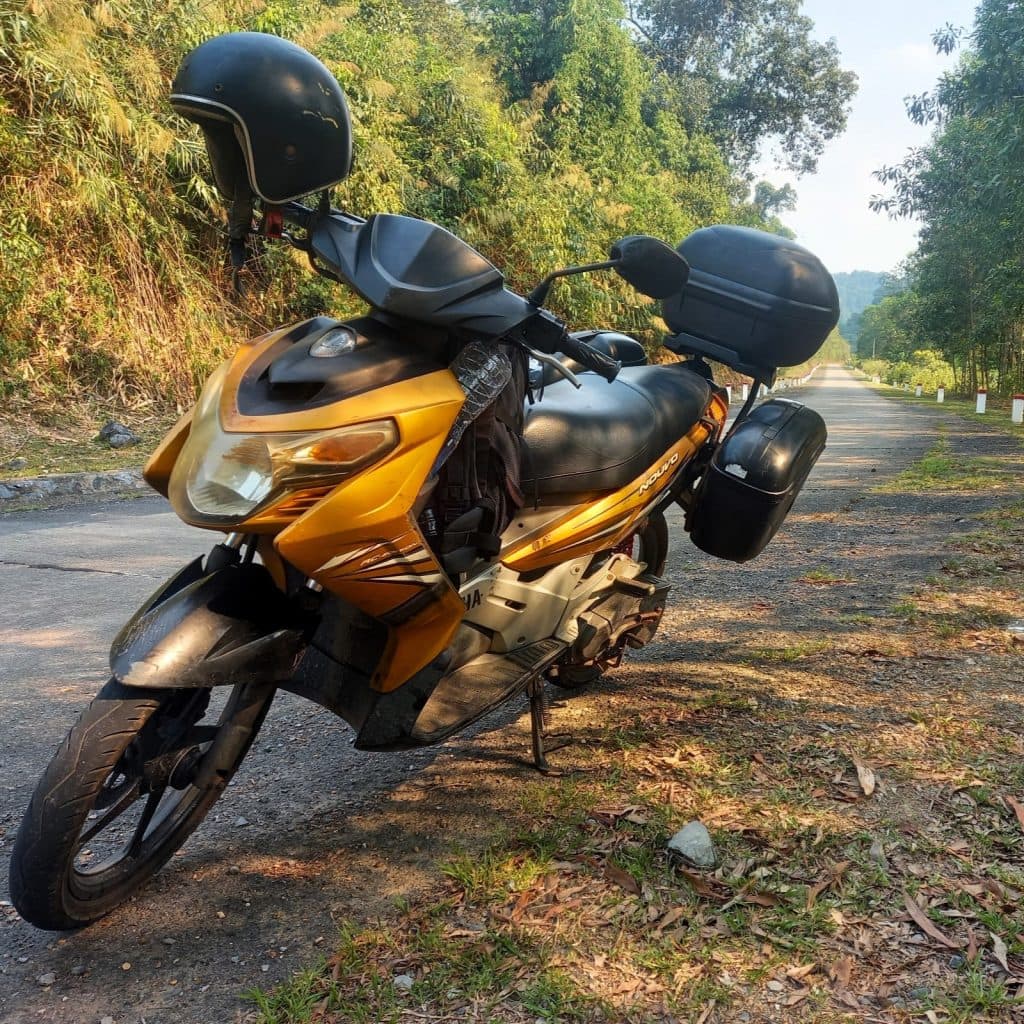
Tom’s answer: “My motorbike, Stavros, has been with me for nearly 20 years and has ridden over 271,000km across Vietnam. But it’s time to say goodbye as maintaining Stavros is becoming a liability. I have already bought my new motorbike, but due to complications with paperwork for foreigners owning a bike in their own name, I am unlikely to be riding it until March at the earliest. If and when that day does finally arrive, I’ll write a farewell to Stavros on Vietnam Coracle and introduce my new motorbike to readers. Perhaps I could have a small send-off party with a few friends in Sài Gòn – some food and drink on the saddle as a table; maybe everyone could take a spin on Stavros up and down the road. Then, I’m not sure what I’ll do: sell it for scrap? Auction it via this website?”
❤️If you like Vietnam Coracle, please support it with a donation or become a member of my Patreon community or purchase an Offline Guide & Map. This website relies on reader support to maintain its independence & quality. Thank you, Tom
Support My Work
Free | Independent | No Sponsored Content
“Hello, if you enjoy my website, please support it.
Thank you.” Tom
*Disclosure: I never receive payment for anything I write: my content is always free and independent. I’ve conducted this Q&A because I want to know what Phương, Martin and Luke have to say and I want my readers to know about it. For more details, see my Disclosure & Disclaimer statements and my About Page


Omg there’s gotta be a special cafe or restaurant that can give Stavros a good home as a display piece! Lil QR code to the website and Stavros lives forever!
Hi Dave,
Haha! Good idea. Maybe I can do a post asking for suggestions of what to do with Stavros and see if anyone can facilitate whatever suggestions they might have.
Best,
Tom