First published February 2026 | Words and photos by Vietnam Coracle | Read time 10 minutes
Hello! Welcome to this special, free-to-access edition of my monthly, members-only Behind the Scenes post for February, 2026. These posts, usually only available to paying members of my Patreon community, provide a look at my life, travels and work over the past month – the things that don’t appear in regular Vietnam Coracle content. If you’d like to read more Behind the Scenes posts like this one, sign up to become a member of my Patreon community and receive exclusive members-only content. Alternatively, please support Vietnam Coracle with a donation or purchase one of my Offline Guides & Maps. I run this website at a consistent loss. Thank you, Tom❤️
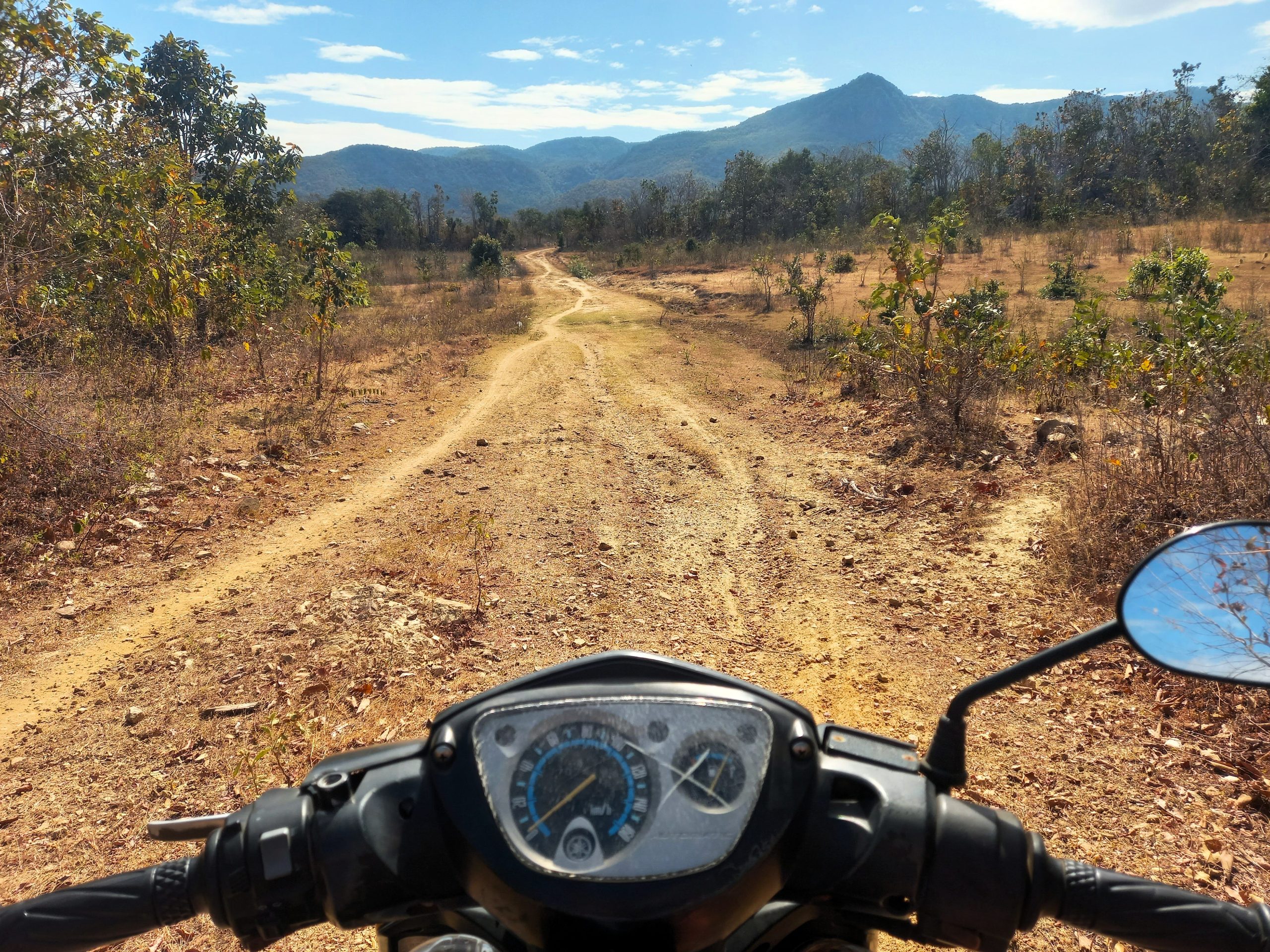
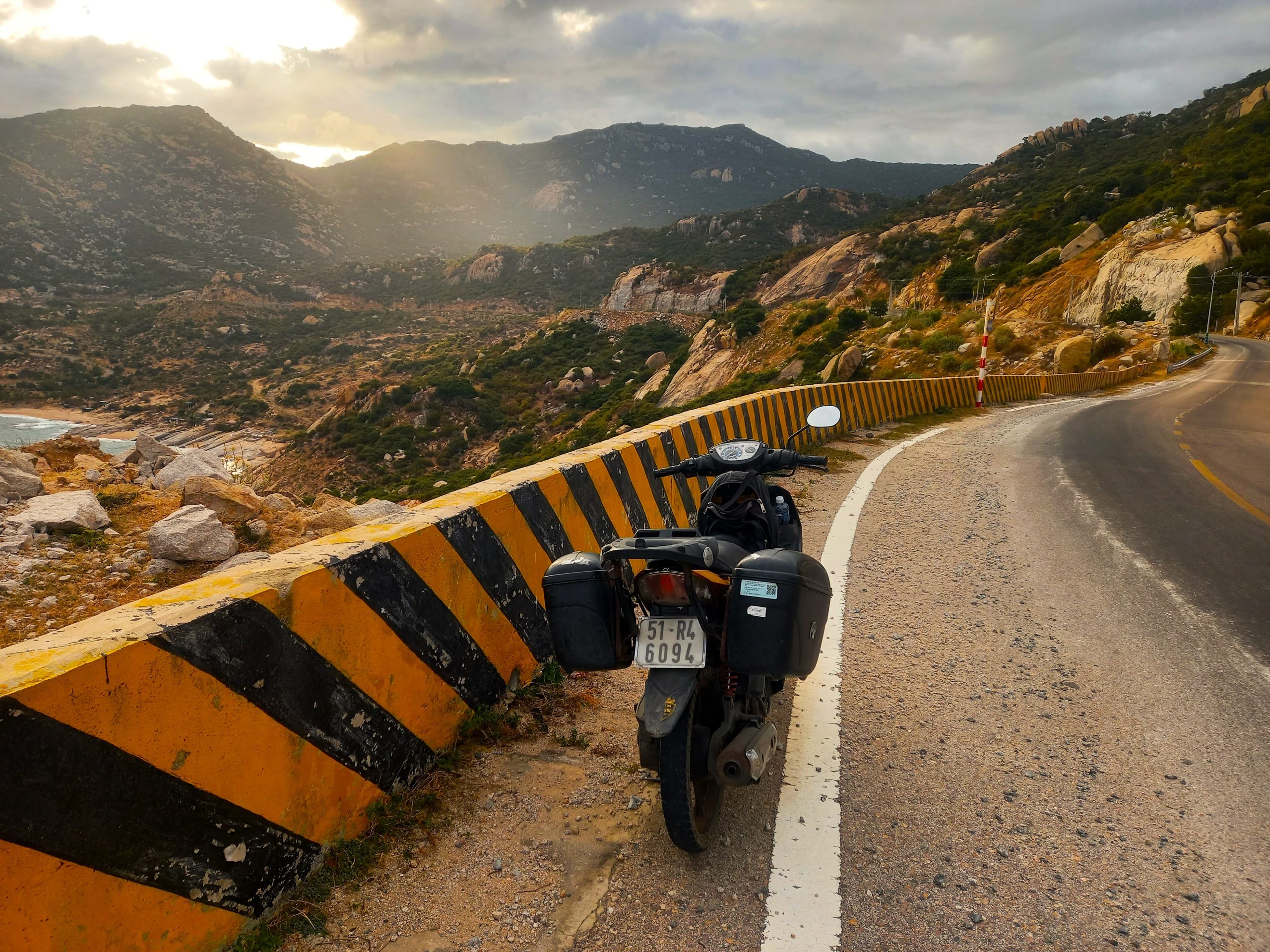
In February, my parents and I continued our trip along the south-central coast either side of the Tết Lunar New Year holiday. We stayed in several beach locations, ranging from a municipal city beach to a sustainable hideaway on a private island to a mega-scale integrated resort complex on a long, intensely developed bay. While my parents took cars from place to place, I rode my motorbike, Stavros, which is still (just about) clinging on for its last hurrah on the road. After nearly 20 years of service and 272,000km riding across Vietnam, Stavros will be retiring soon – I’ve already bought my new motorbike, but due to tax- and paperwork-issues around owning a bike in my own (foreign) name, I may have to wait at least another month before riding it. After Lunar New Year’s day, I followed my decade-old tradition of camping in the wild with friends, this time on the banks of a pretty river equidistant from the coast and the highlands.
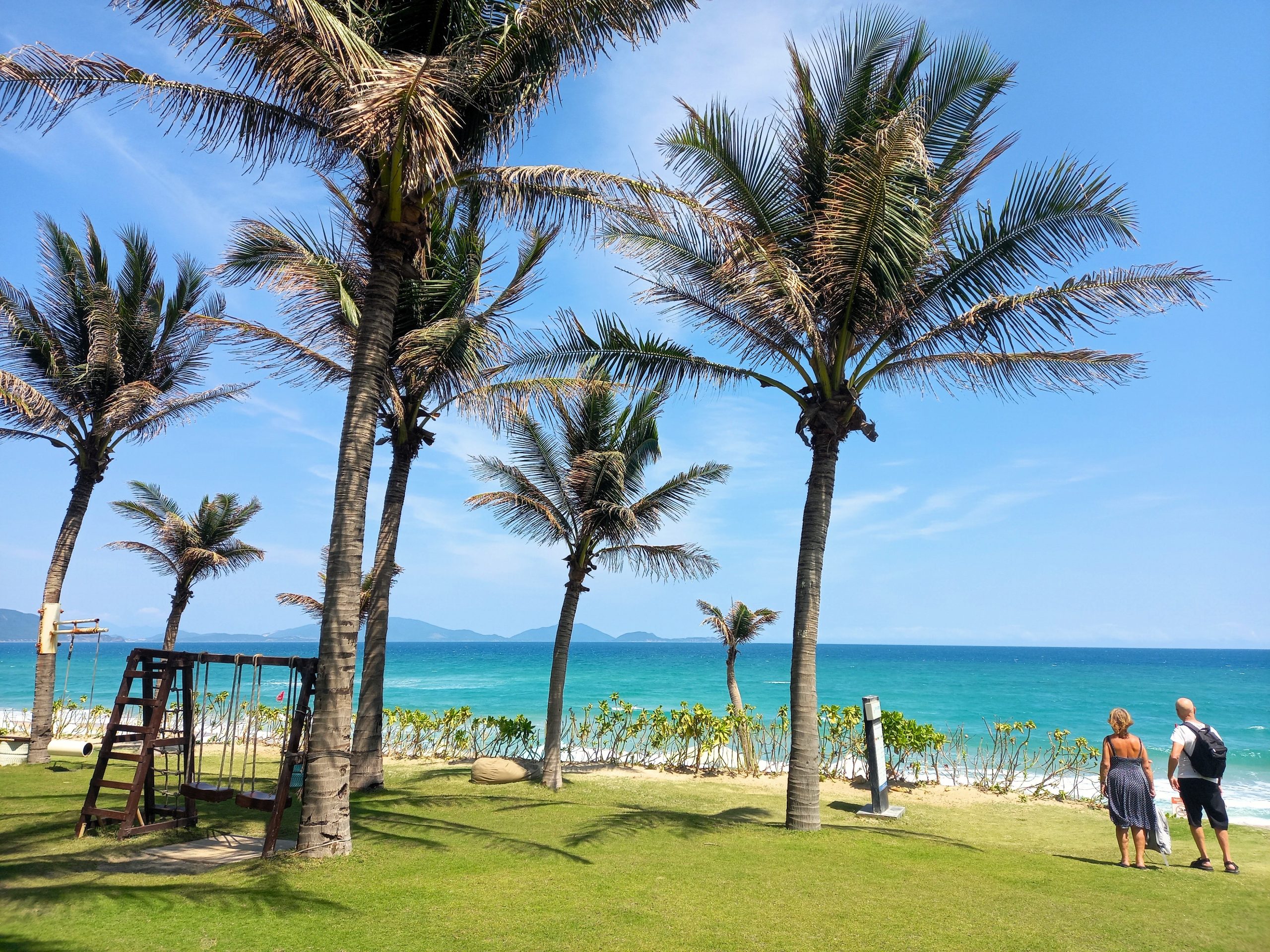
Early in the month, we spent 10 days on the virtually empty sands of Ninh Chữ, which is essentially Phan Rang city’s beach. A perfect crescent bay stretching for 5km, Ninh Chữ has a beachfront walkway lined with palms and sprinkled with parks, restaurants and resorts. Before the pandemic, there was a small but steady flow of travellers spending a few days here. But since Vietnam reopened in mid-2022, the beach feels almost deserted. Ninh Chữ and Phan Rang feel like Đà Nẵng did 20 years ago, or Quy Nhơn did 10 years ago: it has all the ingredients to become a popular beach town – sun, sea, sand, space, seafood, nearby historic sites, good infrastructure and spectacular surrounding mountains. Surely it’s just a matter of time before more people start to recognize its potential. However, for now it remains largely unvisited by international travellers, who all flock to the overcrowded, overdeveloped sands of Nha Trang to the north or Mũi Né to the south.
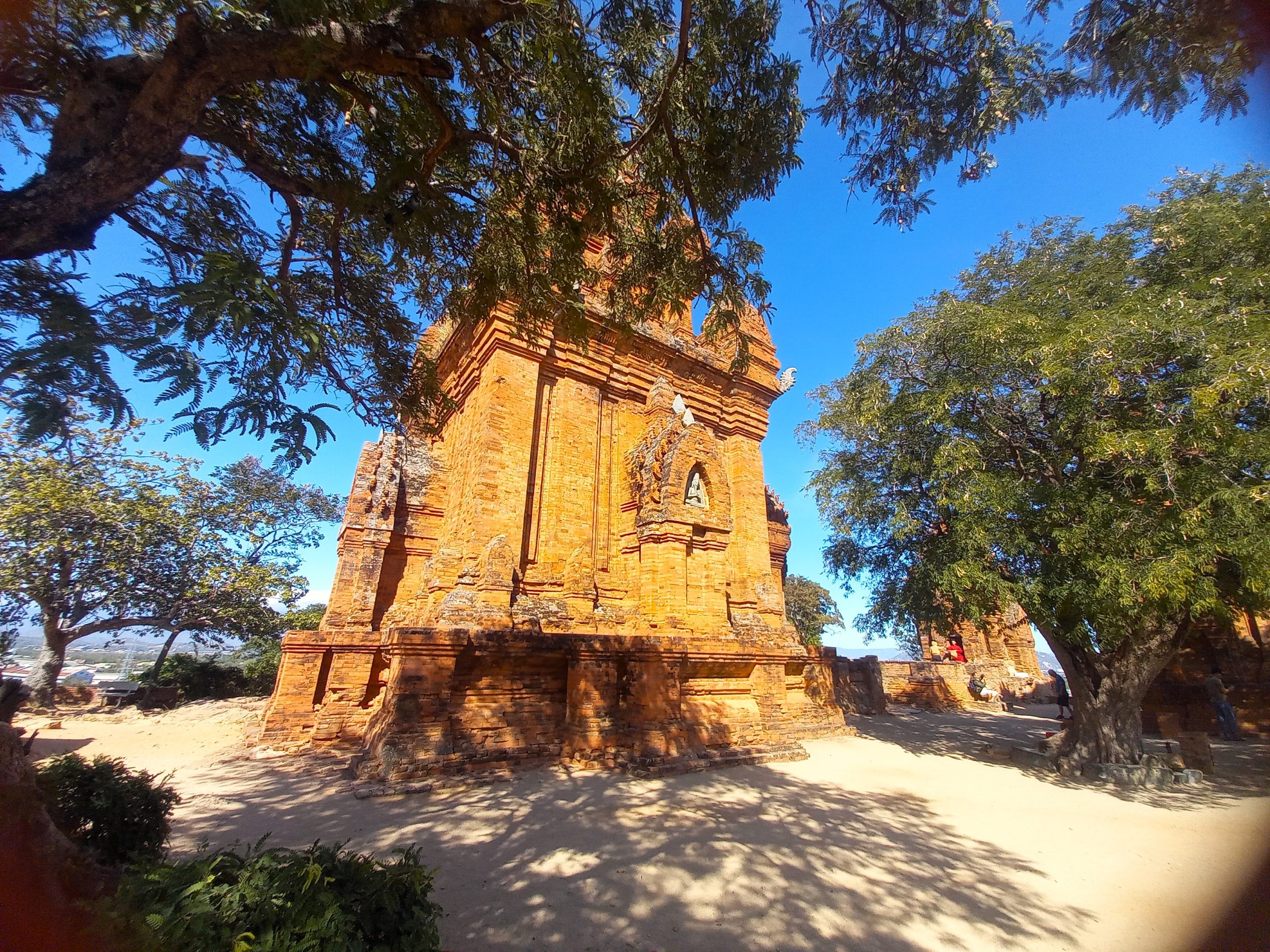
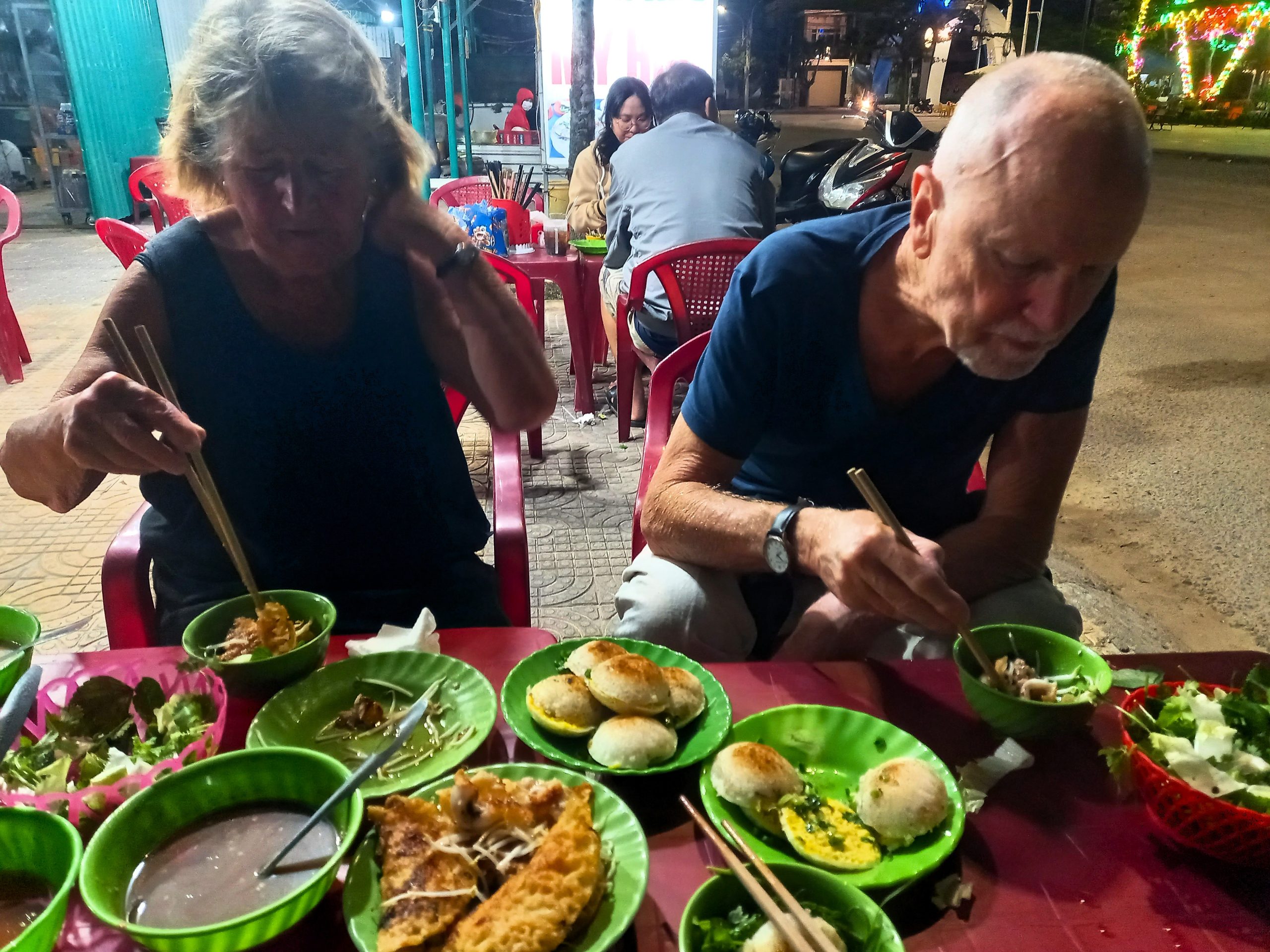
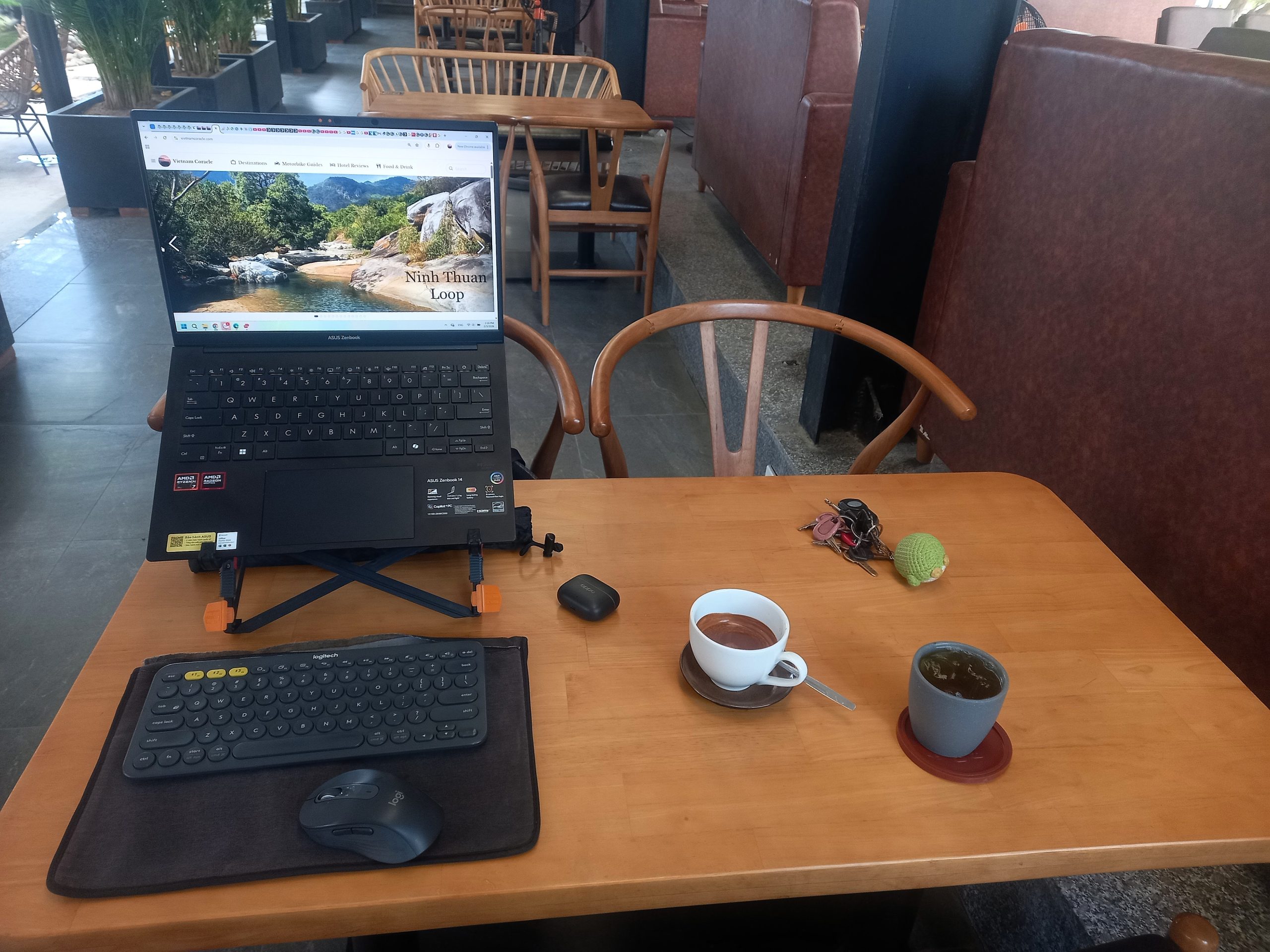
Phan Rang is a twin city with Tháp Chàm. The city streets are wide and clean, local street food is good and the seafood is excellent. To the north and south of the city are two of the most scenic coast roads in Vietnam: the stark, desert-like Dragons’ Graveyard coast road, and the lush, jungled Núi Chúa coast road. The fledgling surfing community around Mỹ Hòa village, just 20 minutes due northeast of Phan Rang, adds to the area’s appeal and is starting to draw more adventurous travellers. Also dotted around the city are several impressive Cham temples which look fantastic against the blue skies and arid landscapes. Indeed, the entire region, formerly known as Ninh Thuận province, has a lot to offer, including springs, rivers, boulder-strewn hills, forests, mountain passes and more. All of this goes virtually unnoticed by the travel media. A great way to explore the region is to ride the Ninh Thuận Loop.
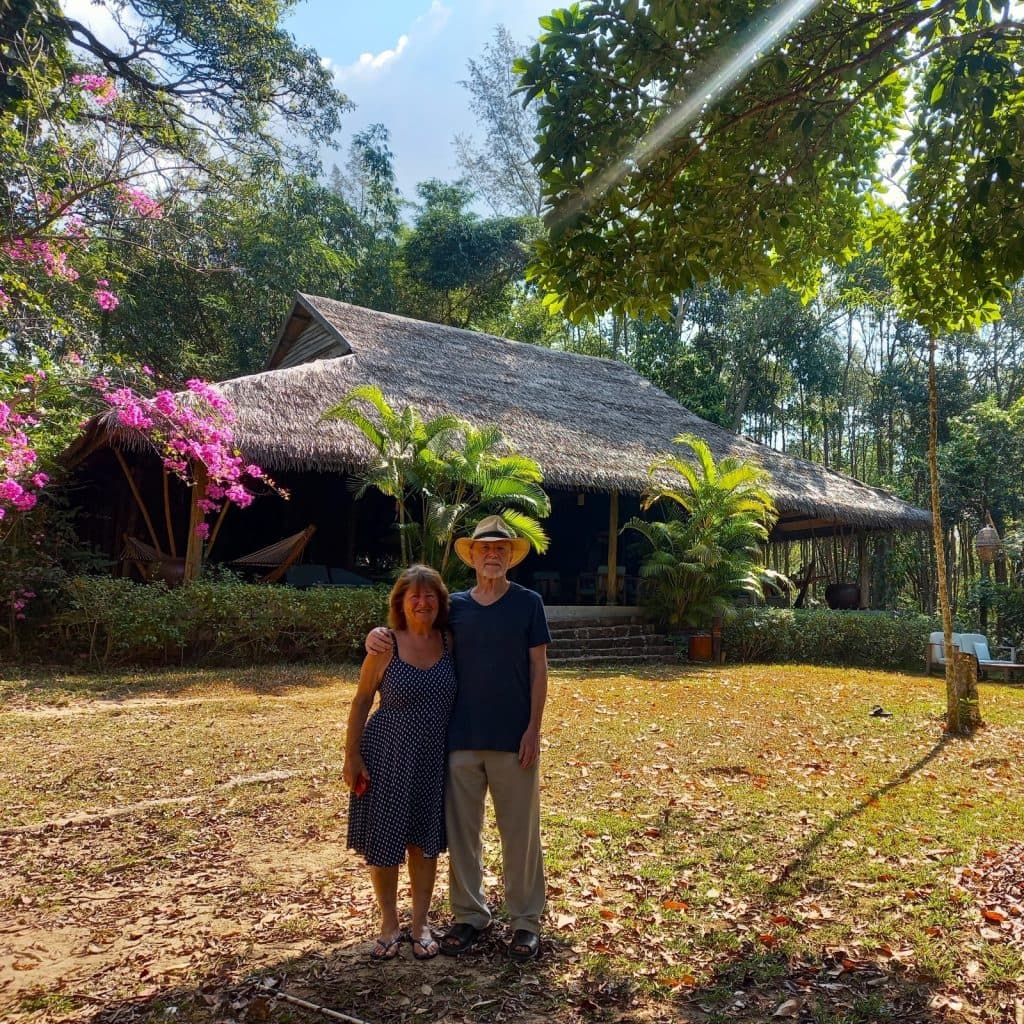
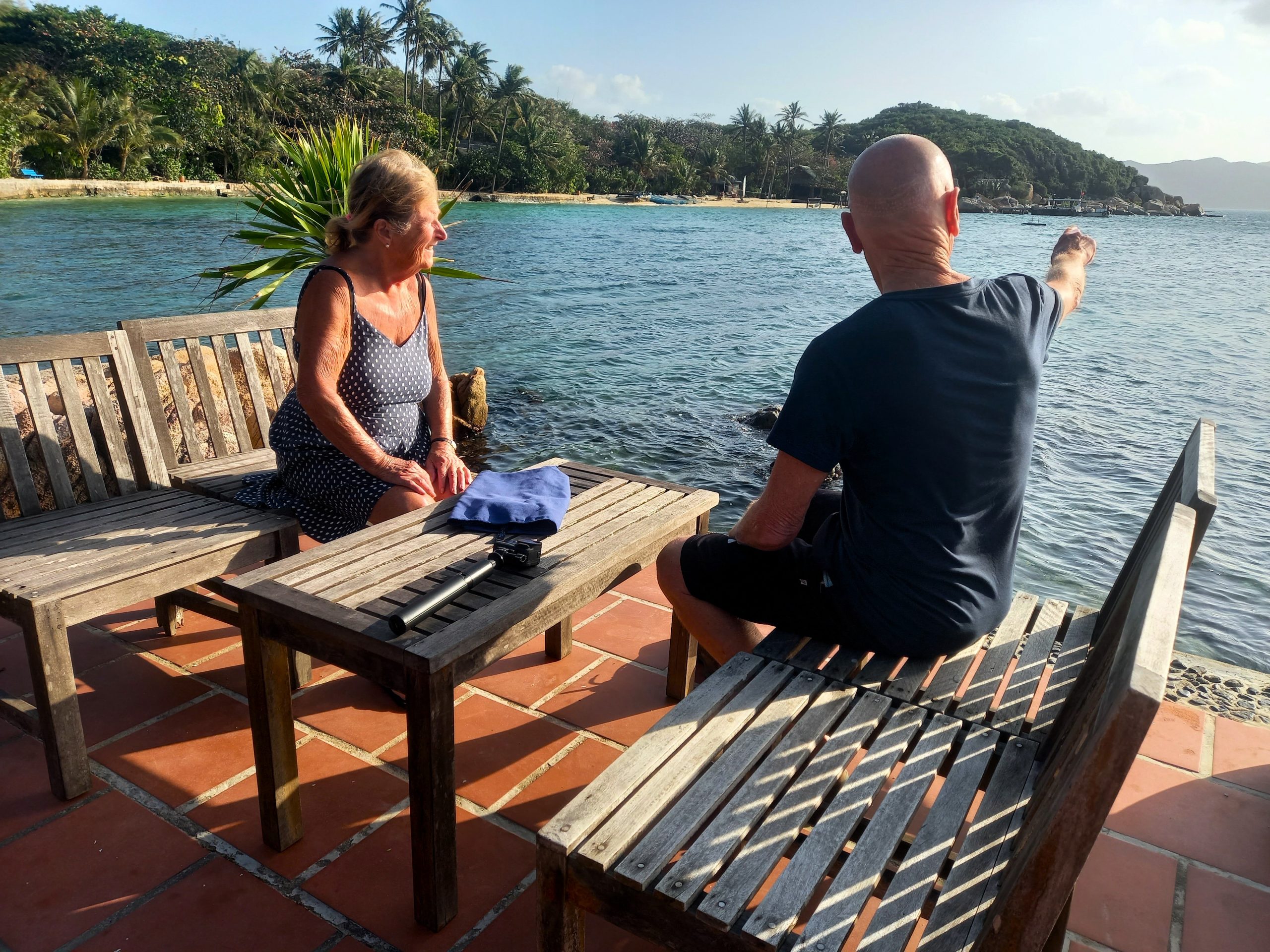
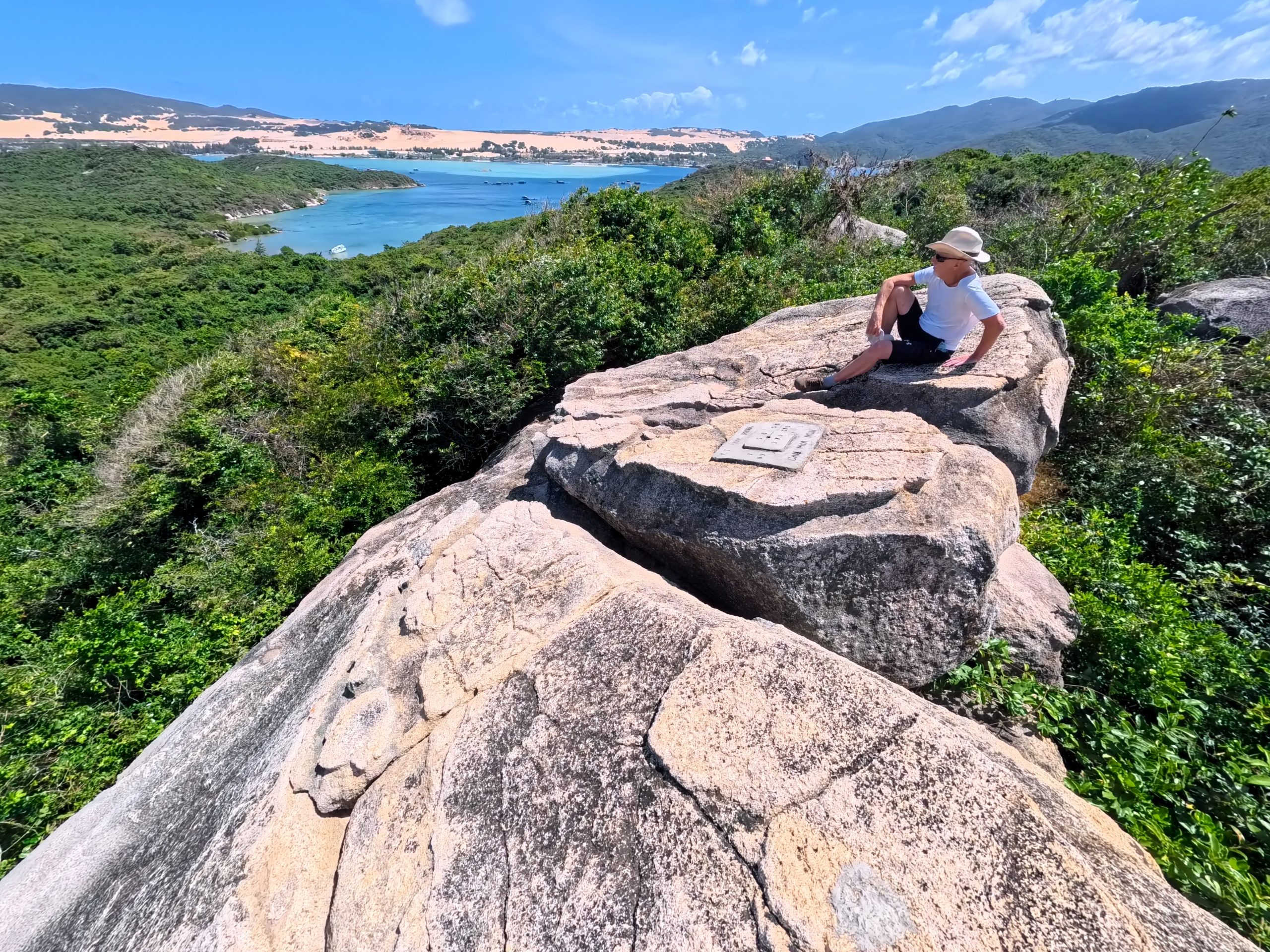
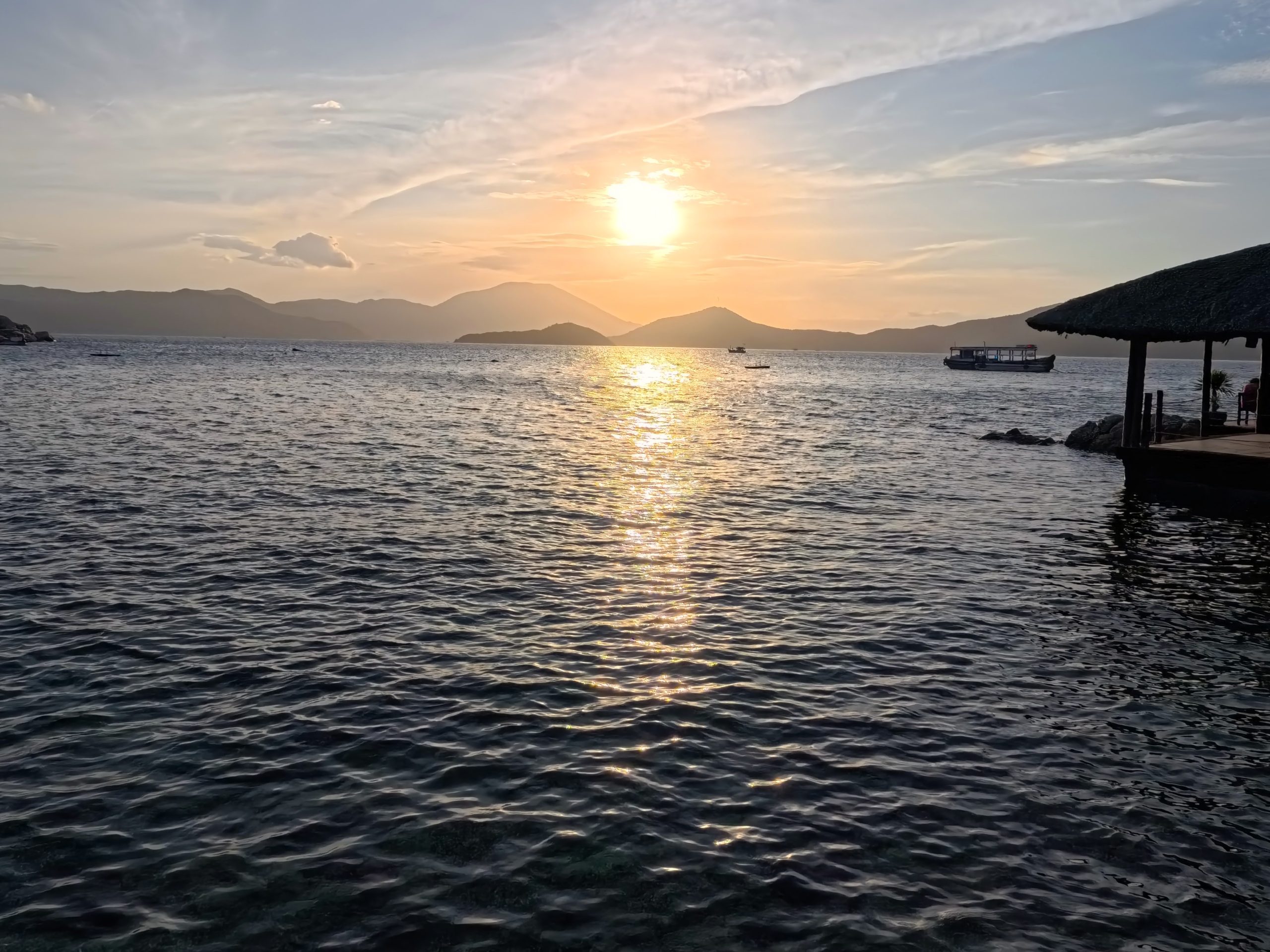
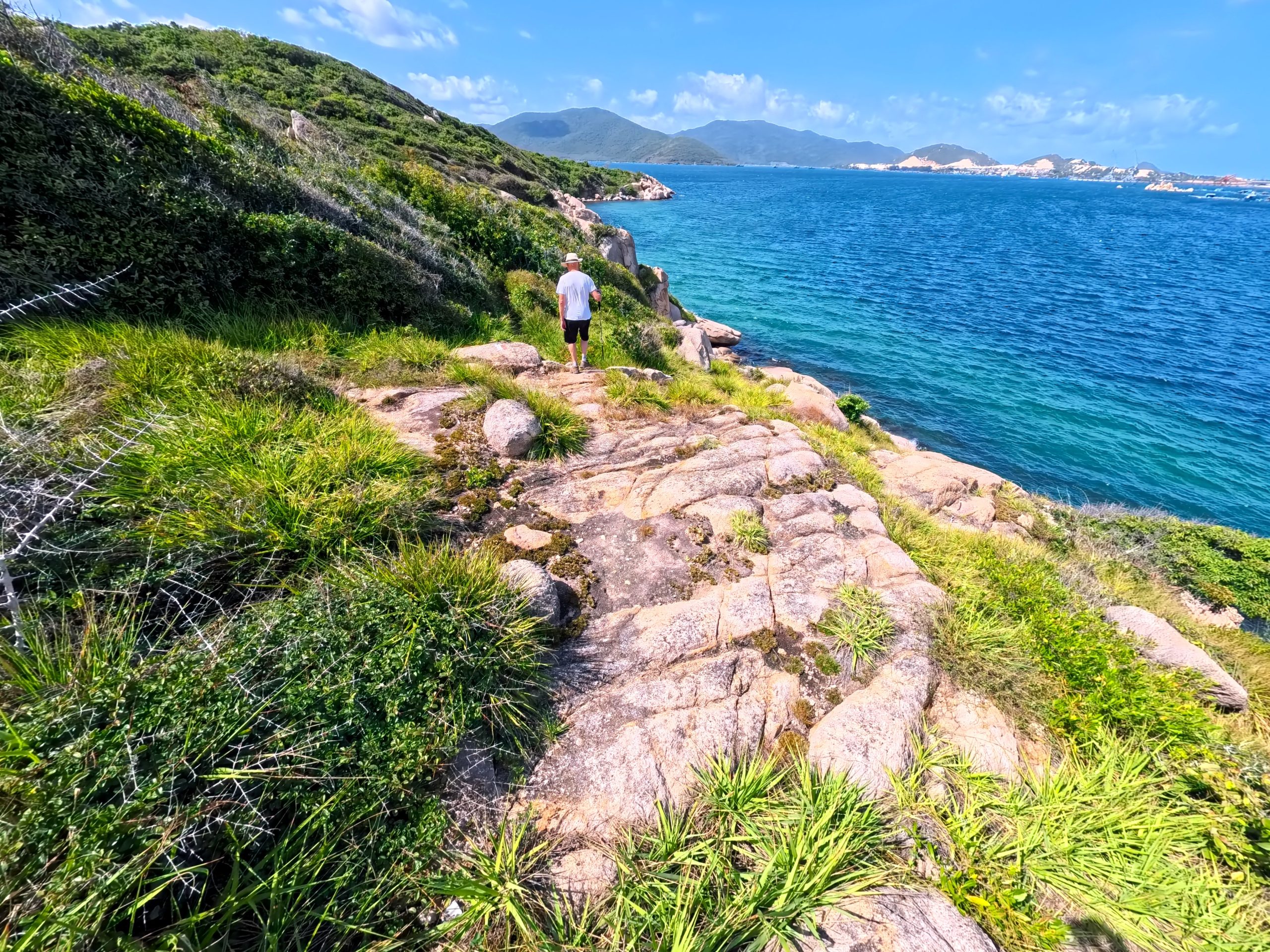
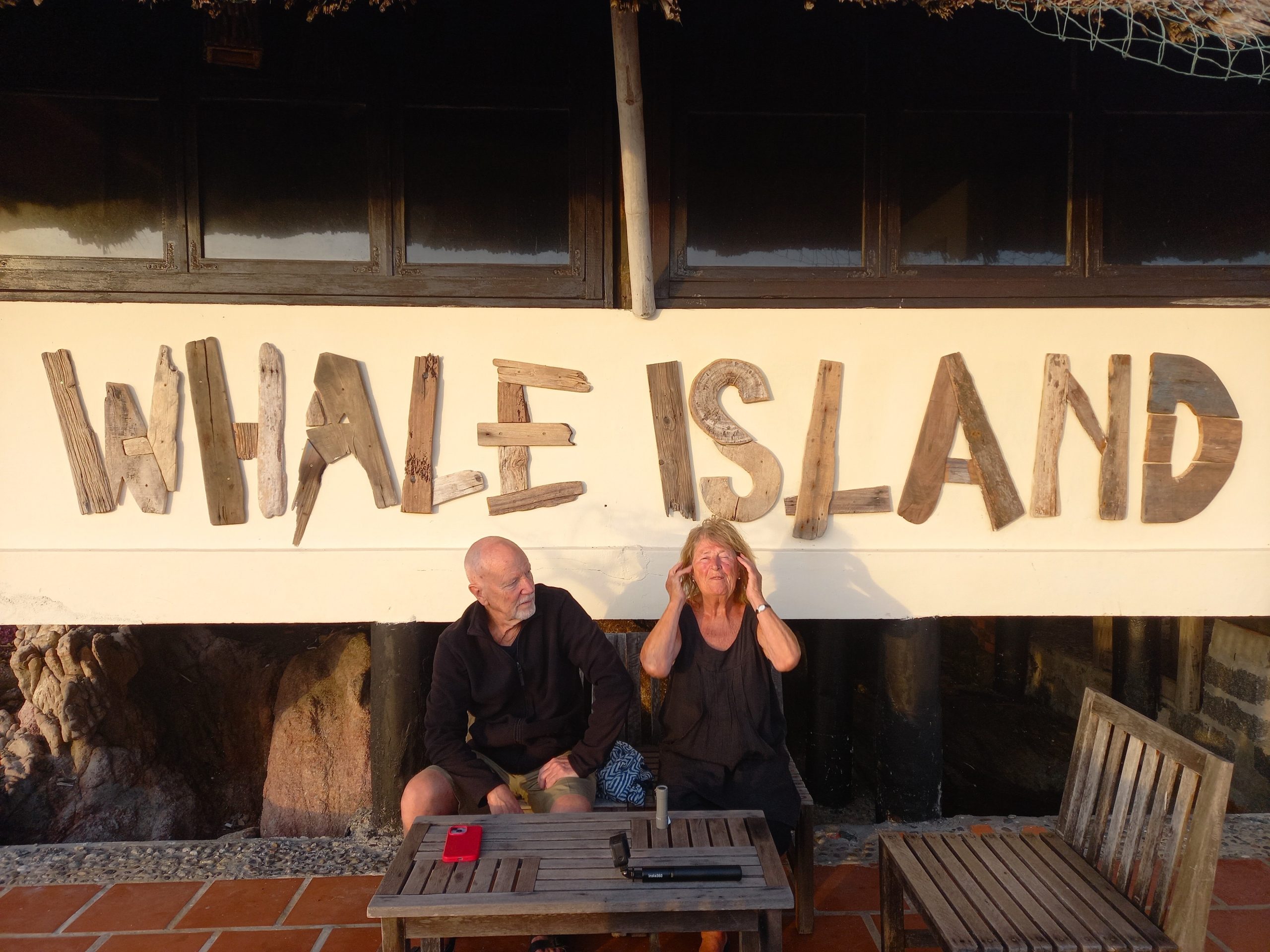
The week before Tết, my parents and I stayed for 8 nights in a bamboo house on Whale Island. Lying in a protected bay about 100km due north of Nha Trang, Whale Island (Hòn Ông) is just 1.5km across and 0.5km wide. Only accessible by boat (there are no roads or vehicles on Hòn Ông), the island is home to a small, sustainable resort with its own solar electricity supply. Whale Island was established in the late 1990s but, after initially receiving a lot of media attention, it seems to have gone under the radar for the last few years. The resort features a cluster of simple but tasteful bungalows set on the beach and the hillside, as well as a waterside bar and restaurant serving daily set menus (full-board room rates are available). Making the most of its fabulous position in a bay surrounded by rugged islets, mountainous promontories and fish farms, Whale Island encourages guests to actively engage with the location via hiking trails across the island, snorkeling trips in the bay, swimming, kayaking, diving, boat trips to the local fishing village, learning about the coral and sea life, and preserving the natural environment. In some ways, Whale Island ($50-$100/night) could be seen as a poor man’s Six Senses Ninh Van Bay ($700-$1,000/night), and it’s all the better for it. (Look out for my upcoming independent review and short film about Whale Island soon on Vietnam Coracle.)
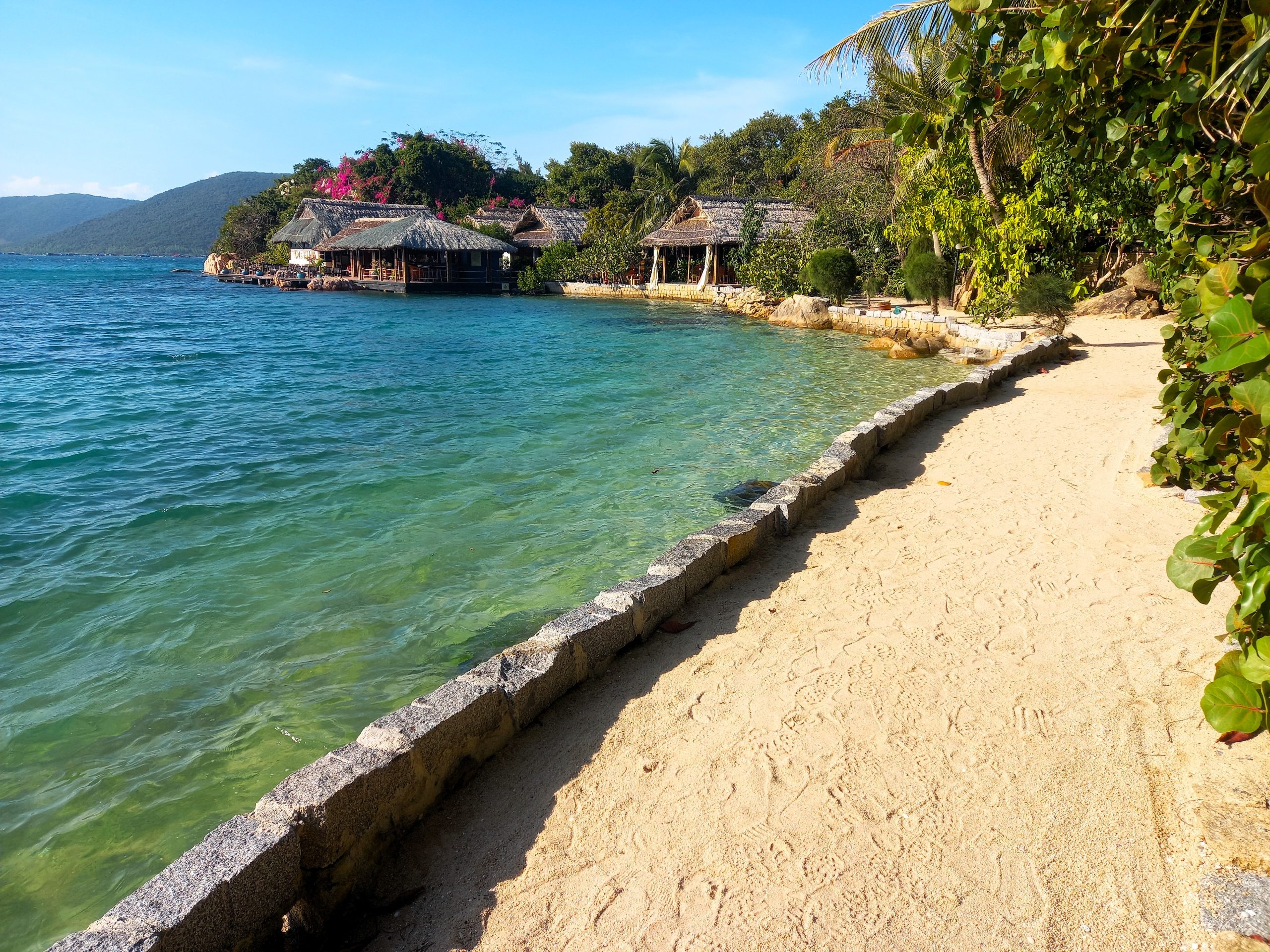
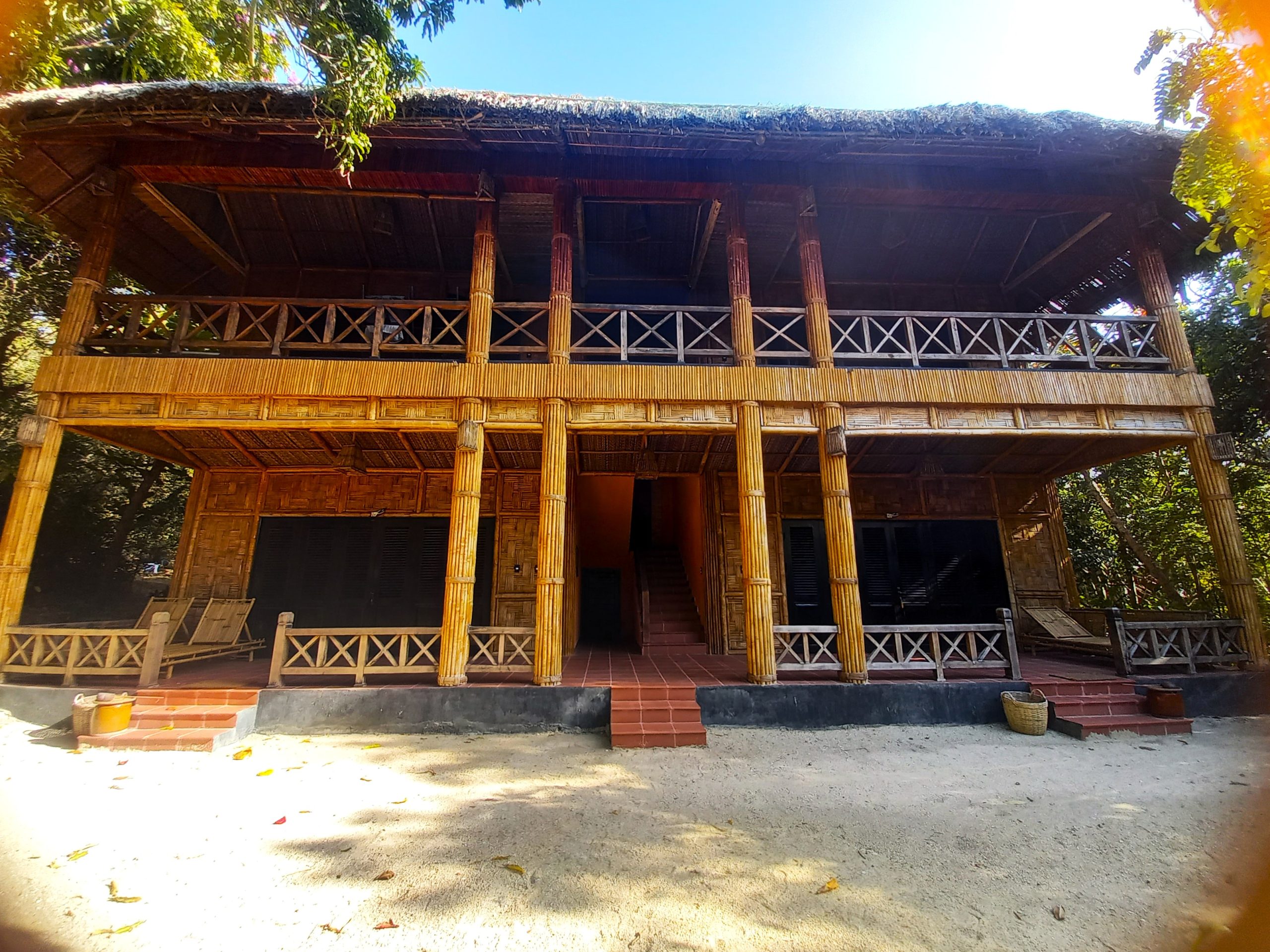
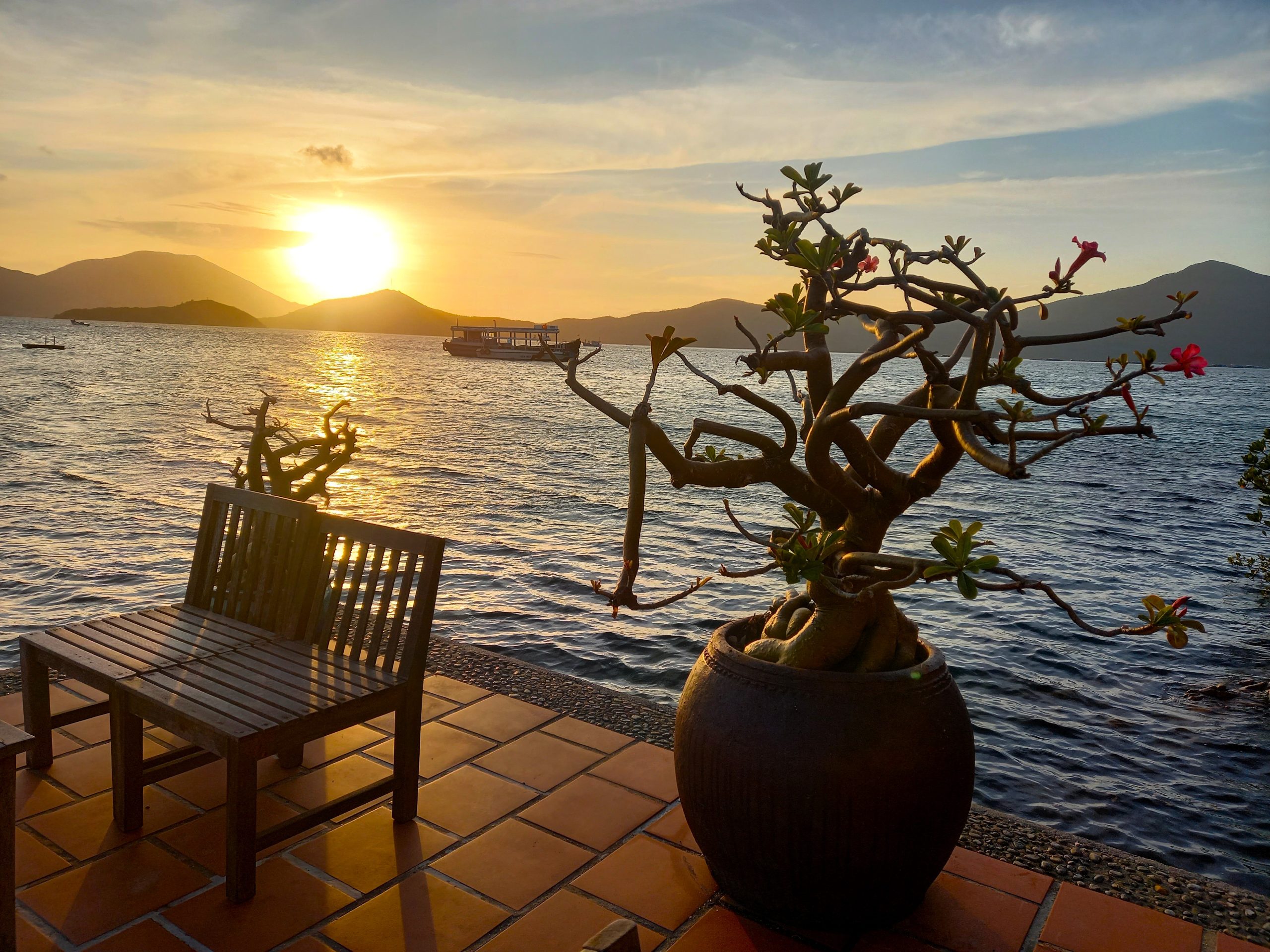
In February, Whale Island in just on the cusp of where the weather changes. Although conditions were a bit blustery, the sea ruffled and the air had a chill in it during the mornings and evenings, Whale Island was probably the place that’s most in line with my family’s general taste and aesthetics on this trip. We walked around the island, swam, went snorkeling, enjoyed the cool nights sleeping with the windows open in our bamboo house, and had many cocktails on the terrace watching the colours change on the promontories and islands in the bay at sunset. It’s the kind of place that, when you leave, you have a sinking feeling somewhere in your stomach.
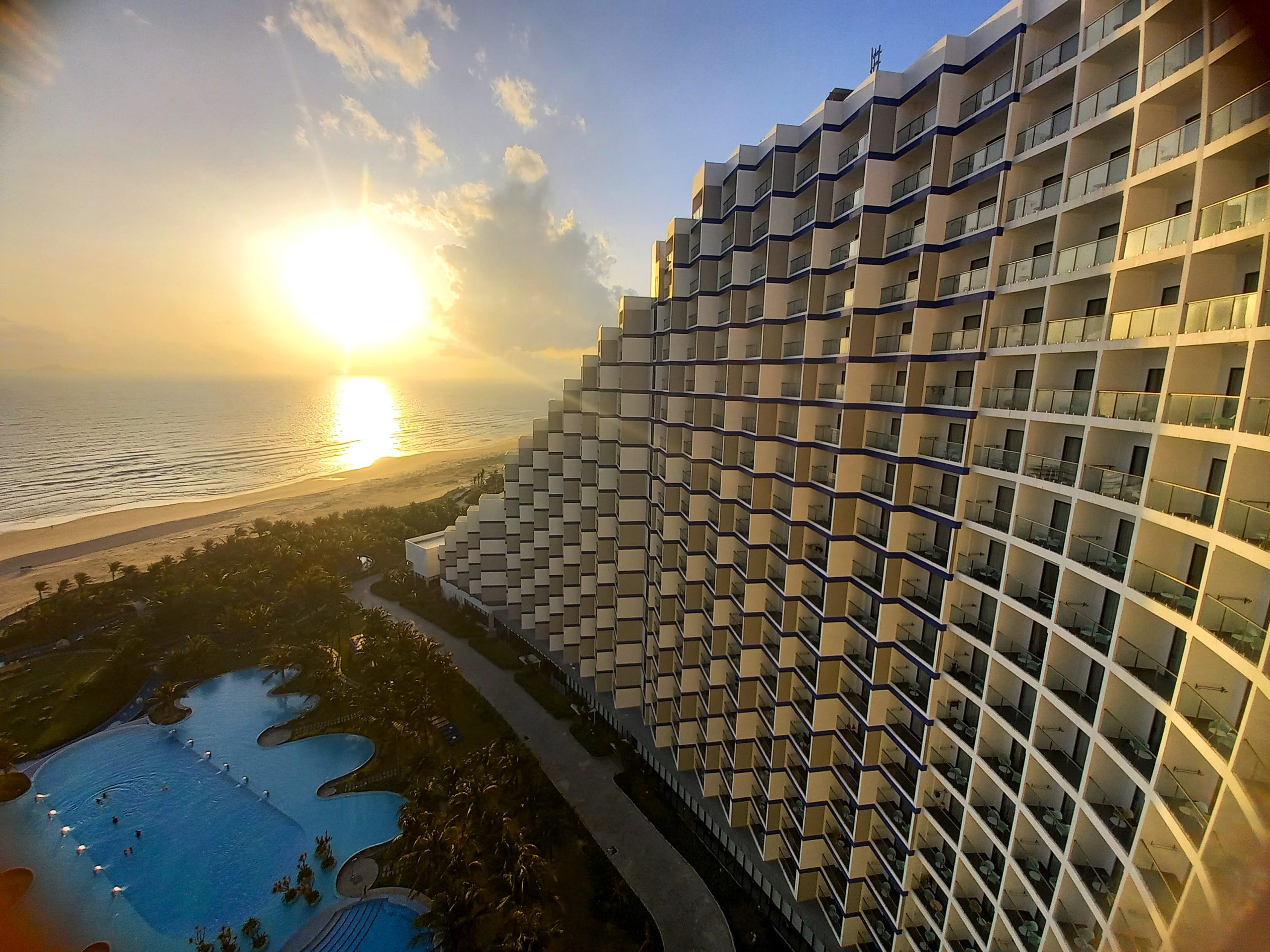
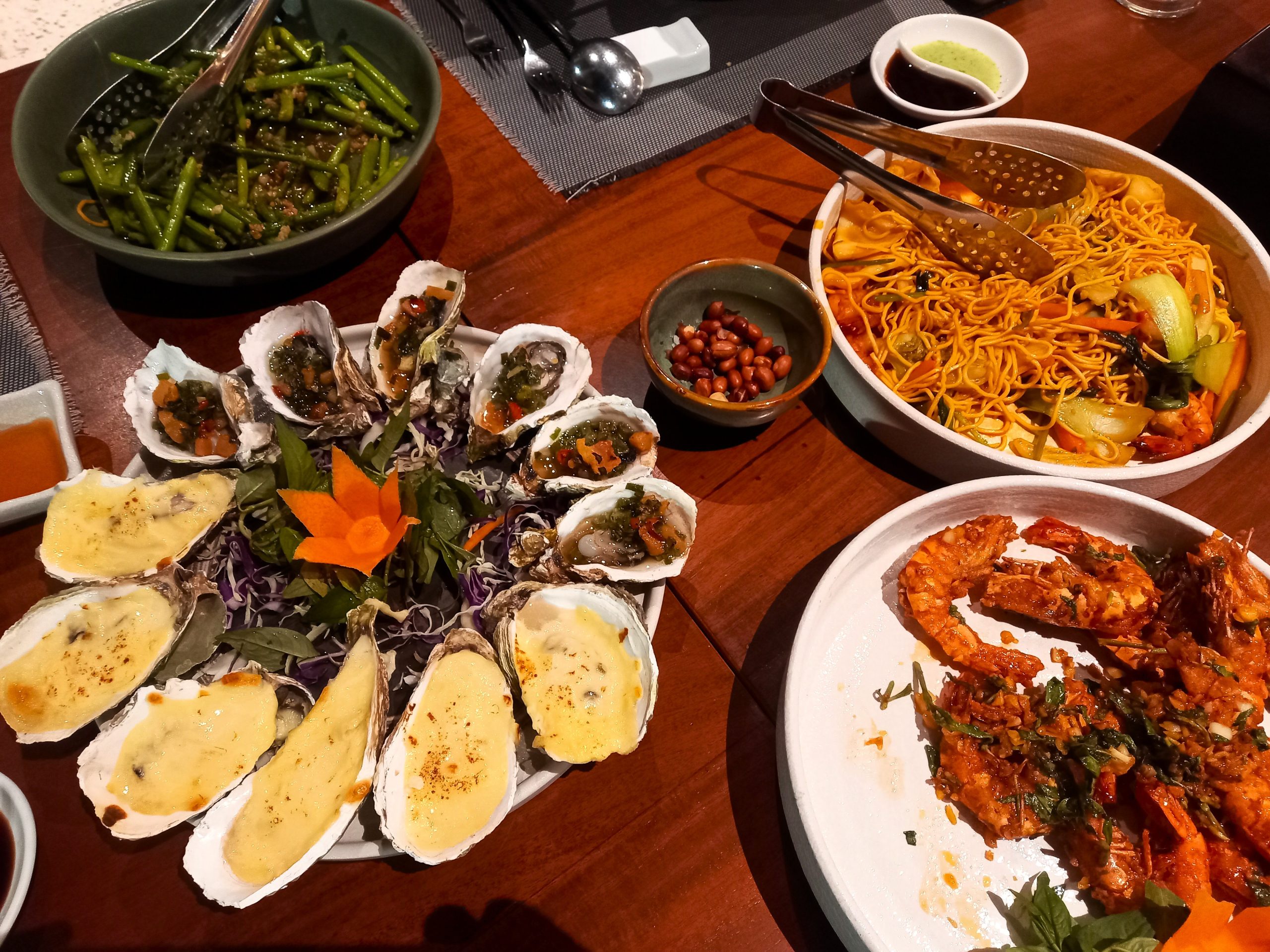
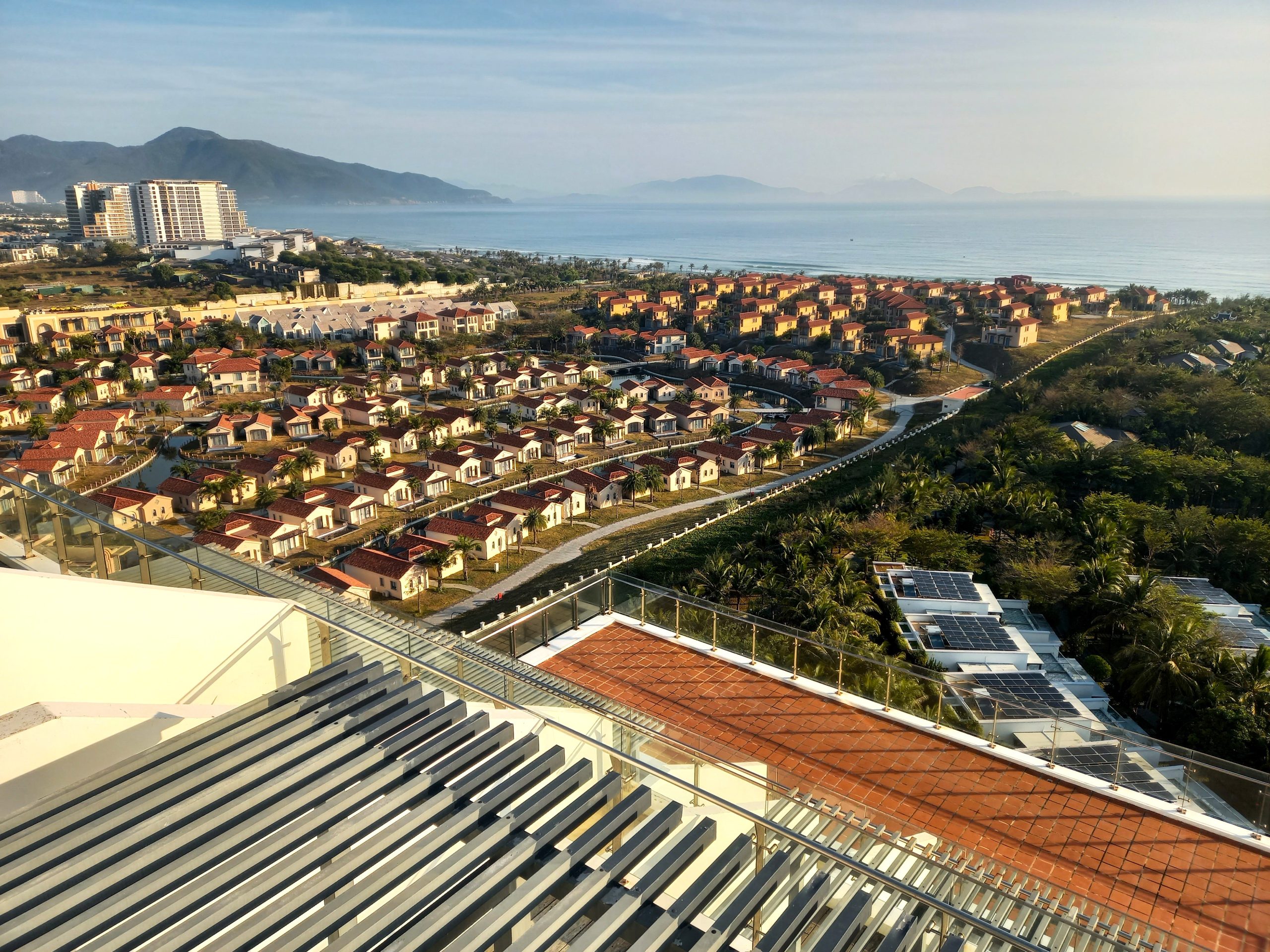
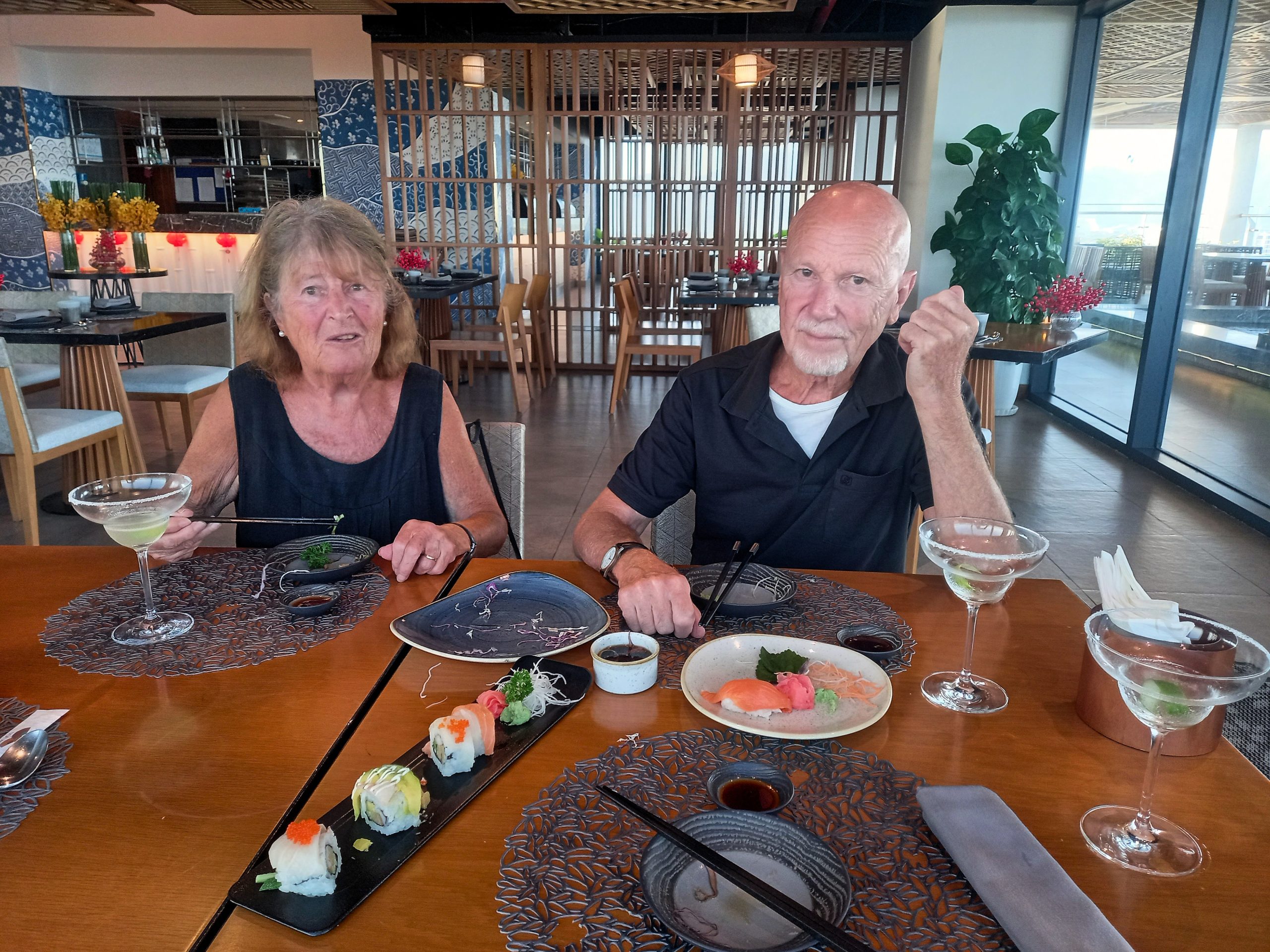
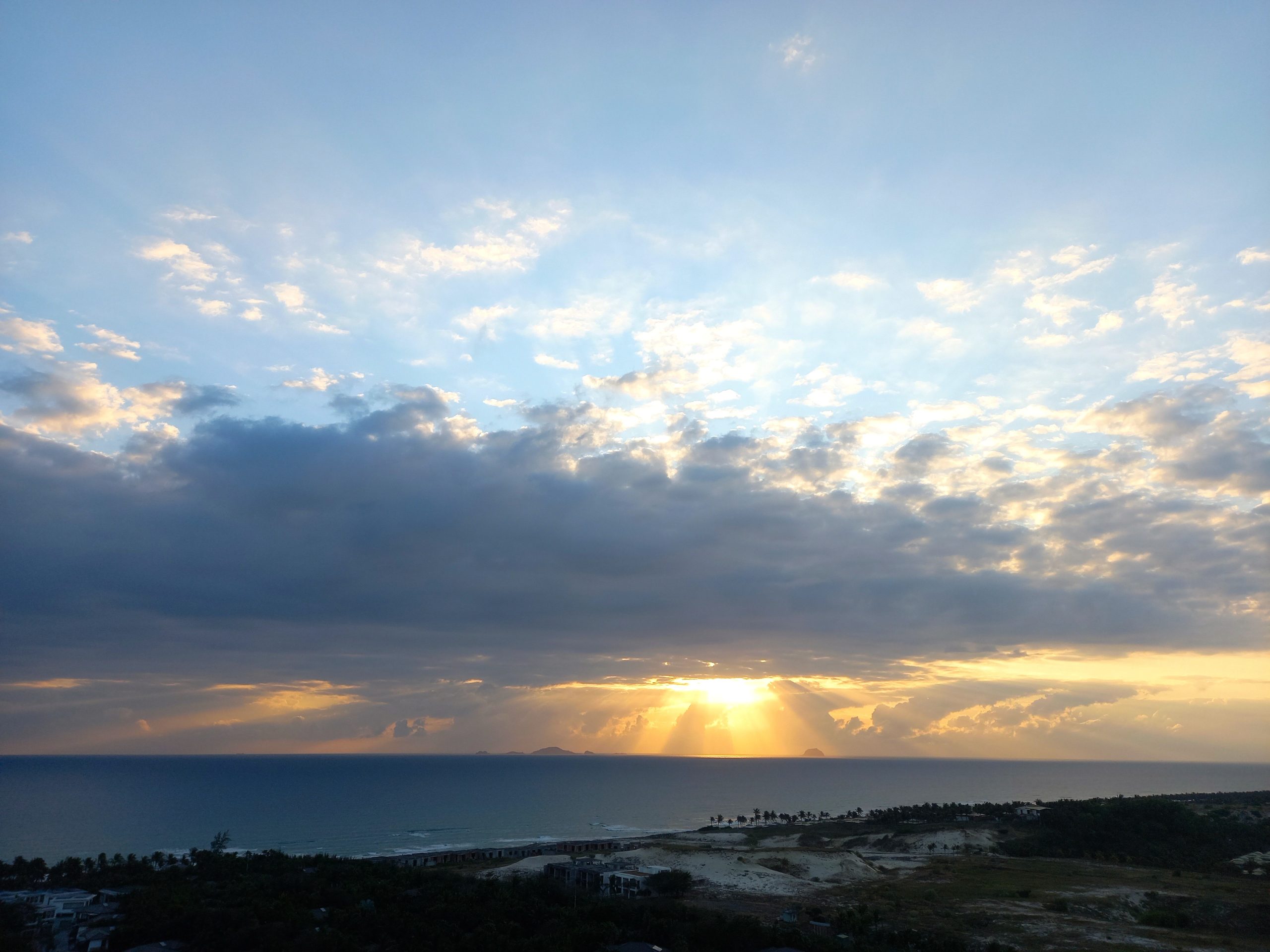
Lunar New Year is a notoriously busy time to travel in Vietnam. After New Year’s Day, the entire nation goes on holiday. Popular destinations around the country become crowded, hotels are full, transportation links are at capacity, and prices are inflated. Knowing this, and having left it too late to plan our itinerary to avoid the crowds, we opted to stay at the antithesis of small-scale, sustainable Whale Island for the busy Tết period. We booked into one of a string of colossal mega-resorts on Cam Ranh’s Bãi Dài (Long Beach). Huge plots along this 10km-long beach have been developed by international hotel chains, such as Movenpick, Radisson and Wyndham. Even though this is not our kind of thing, the scale is remarkable, with many resorts featuring a thousand guest rooms, gigantic swimming pools, waterparks, multiple restaurants and recreational facilities. After a slow start, with many of the resorts seemingly empty or abandoned, the Tết crowds did eventually arrive and our resort became so busy they had to open three separate buffets to serve all the guests at breakfast. Nonetheless, we enjoyed sampling some international cuisine, including good sushi, and gazing over the resorts, beach and sea from our balcony on the 15th floor. At midnight on New Year’s Eve there were fireworks, but we were all asleep way before that, catching the first sunrise of the Year of the Fire Horse from our balcony instead.
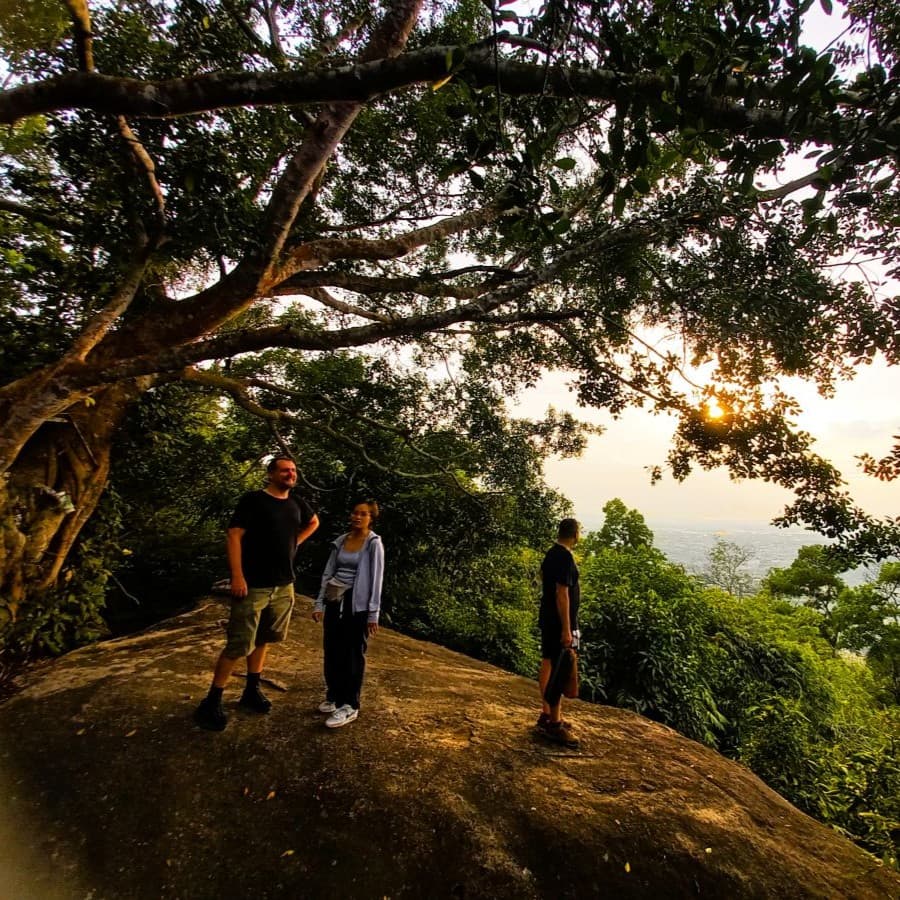
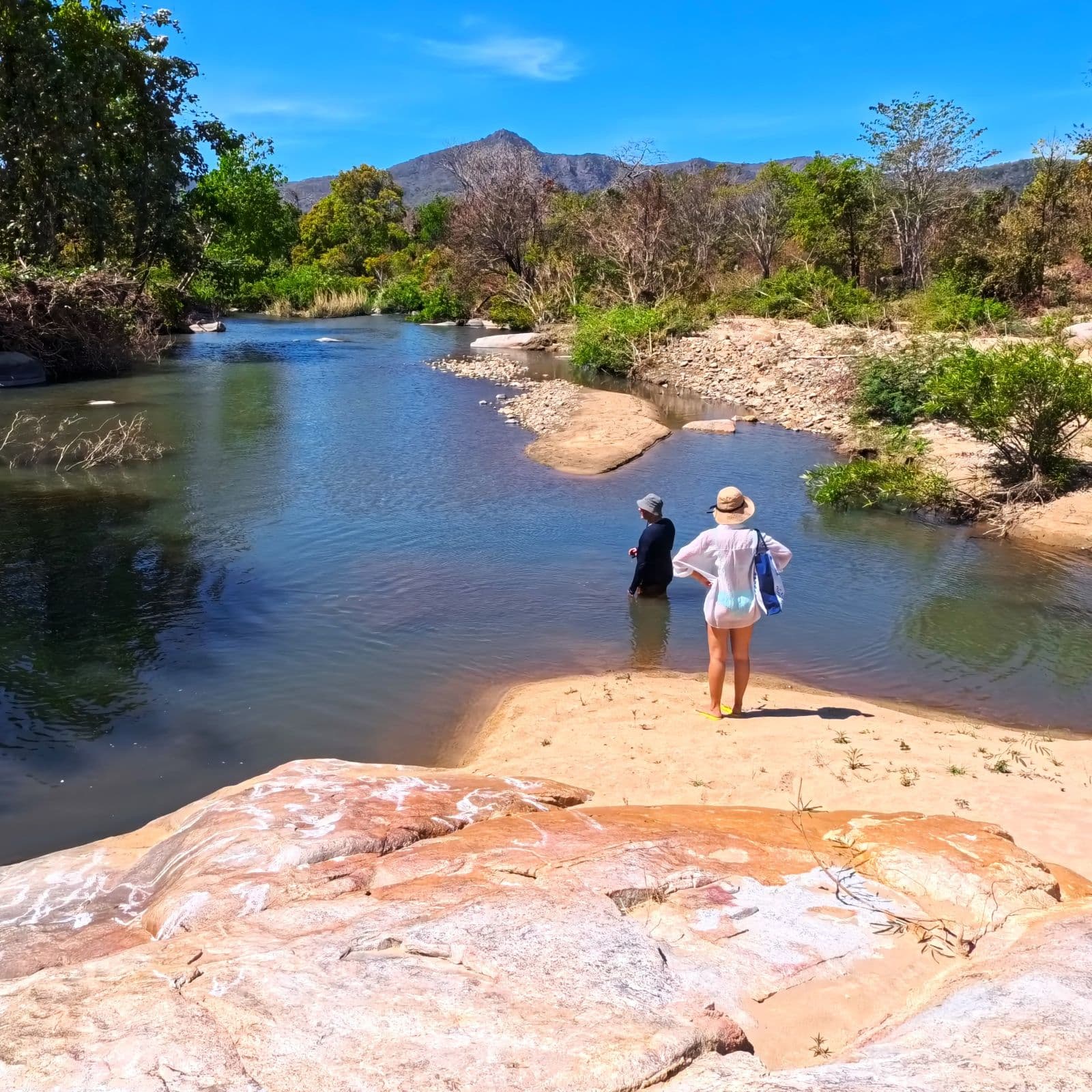
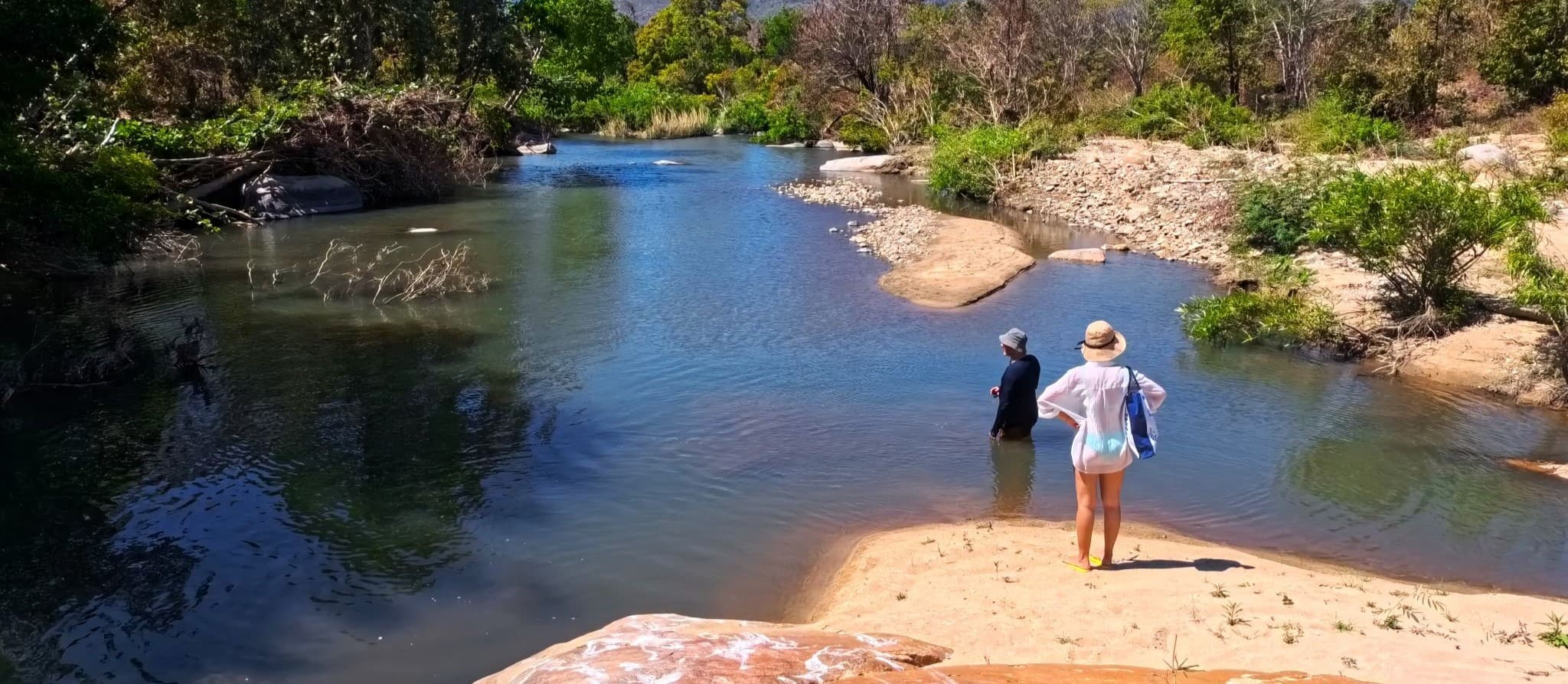
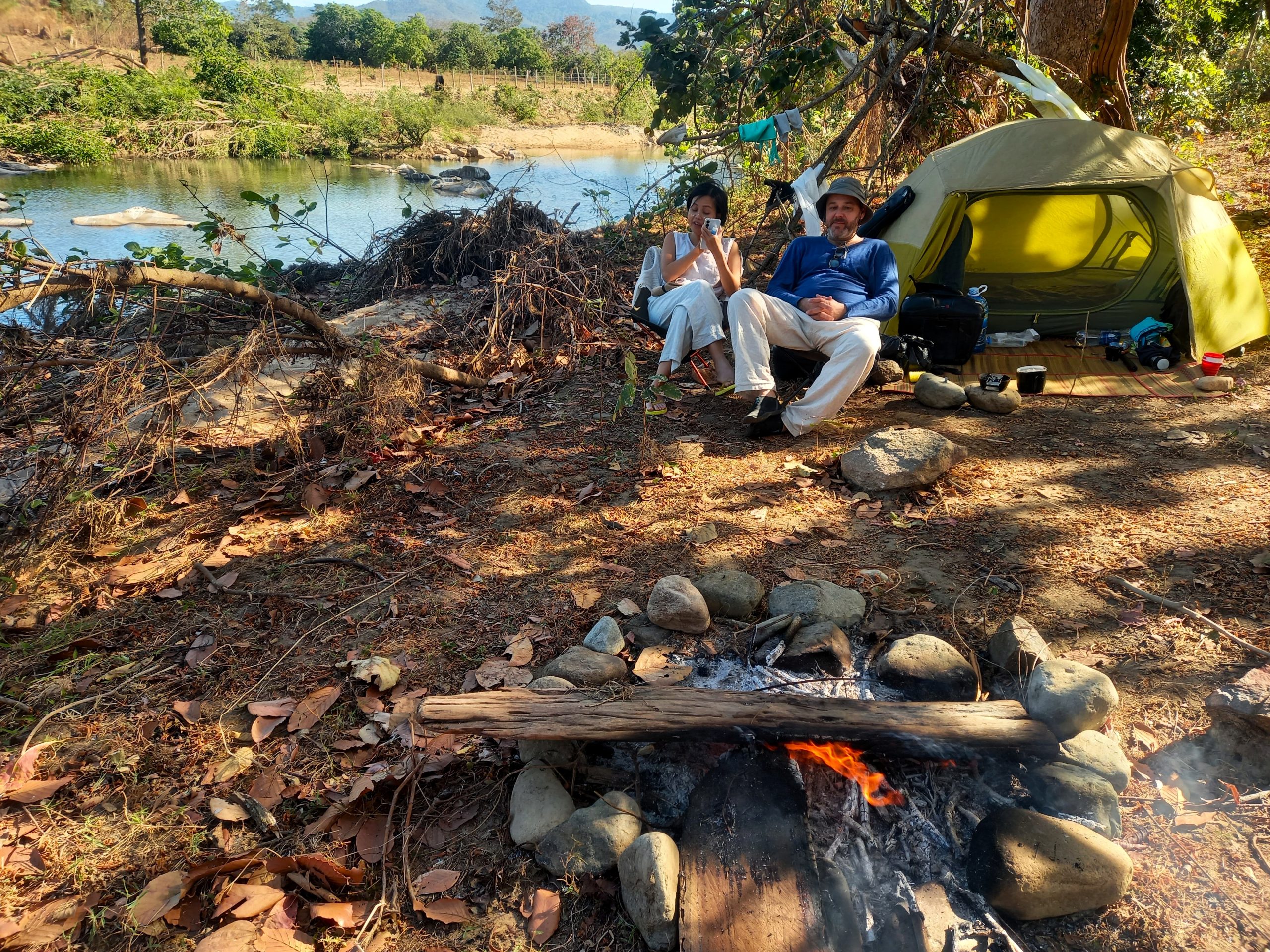
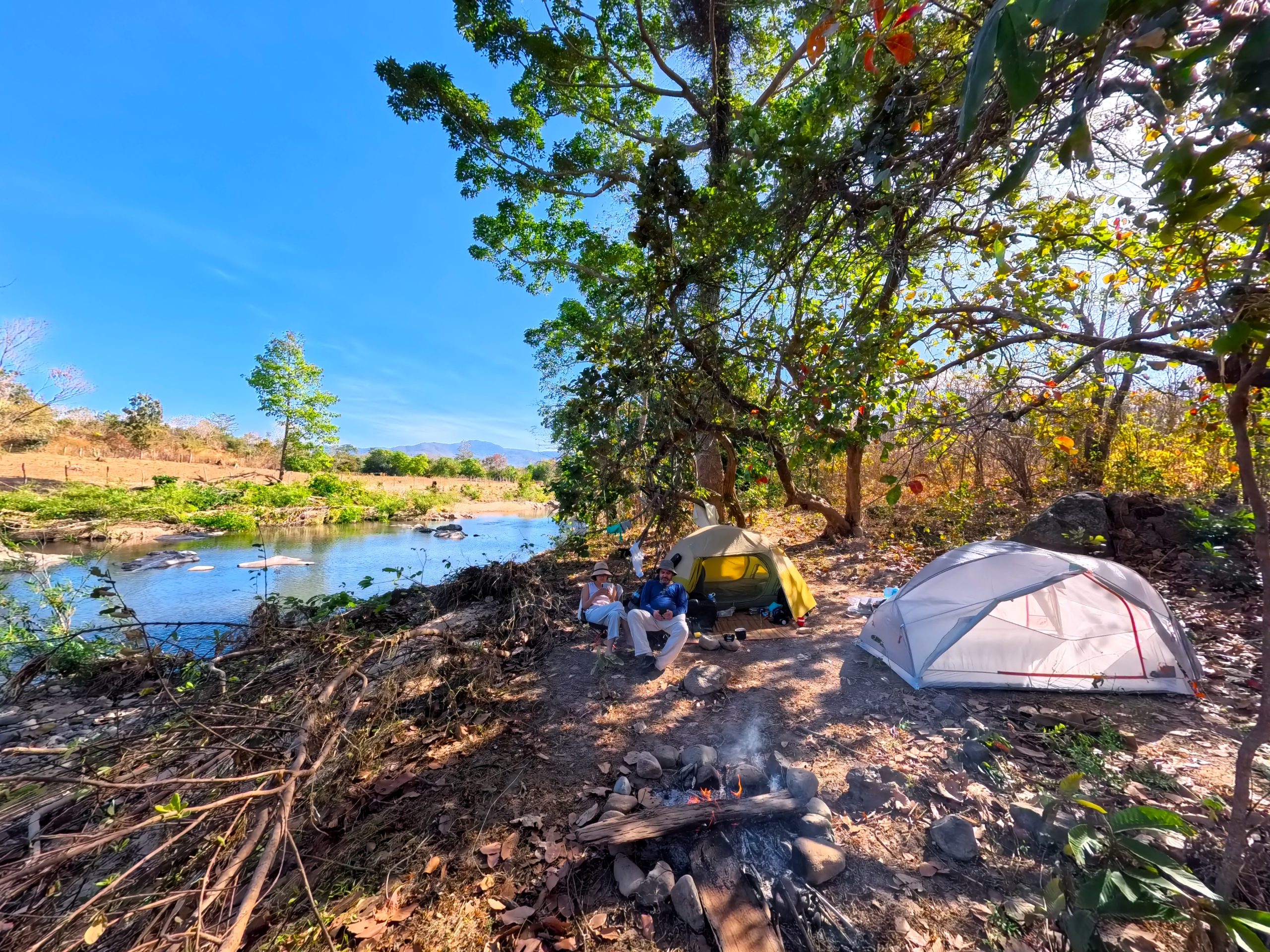
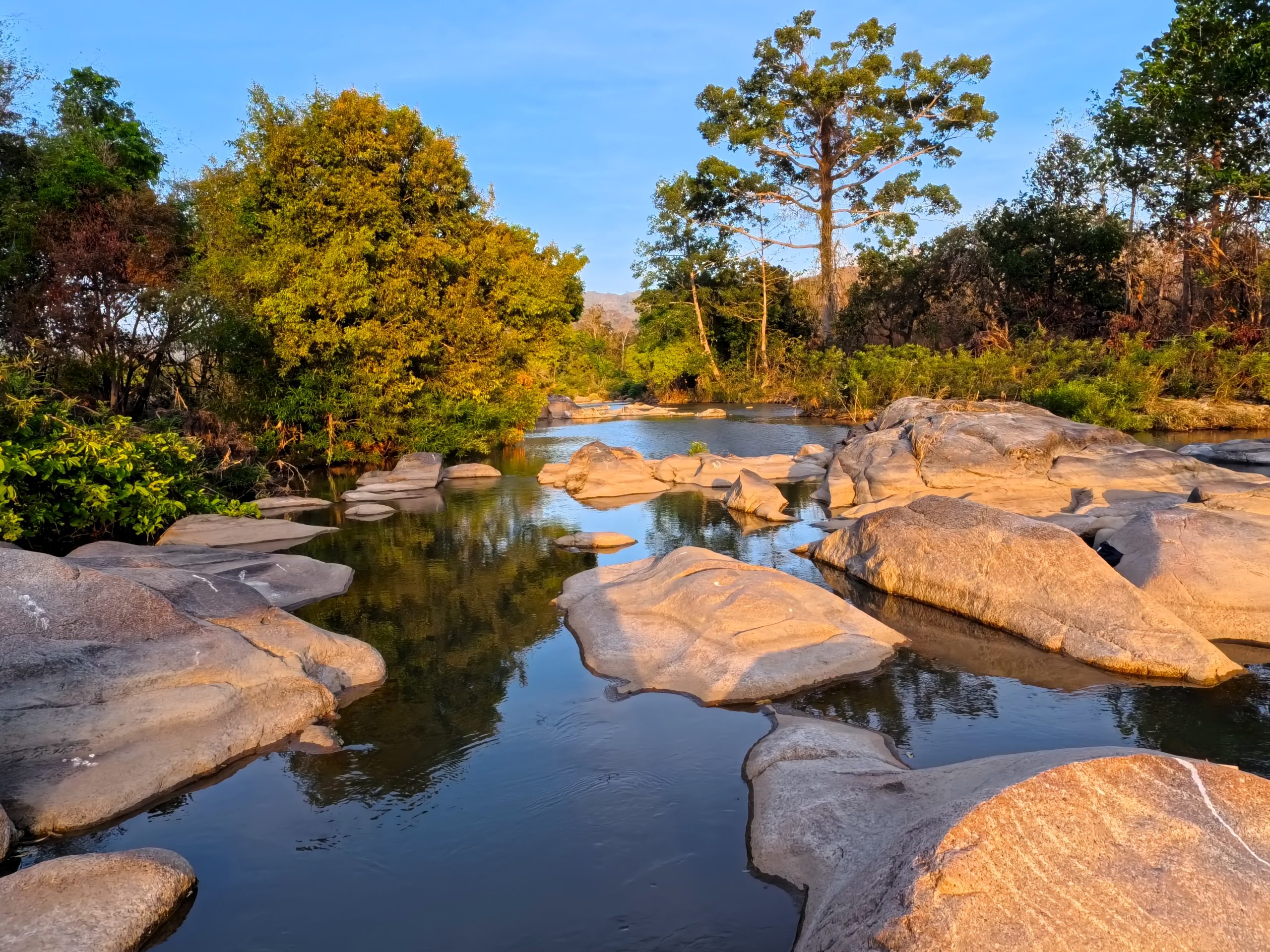
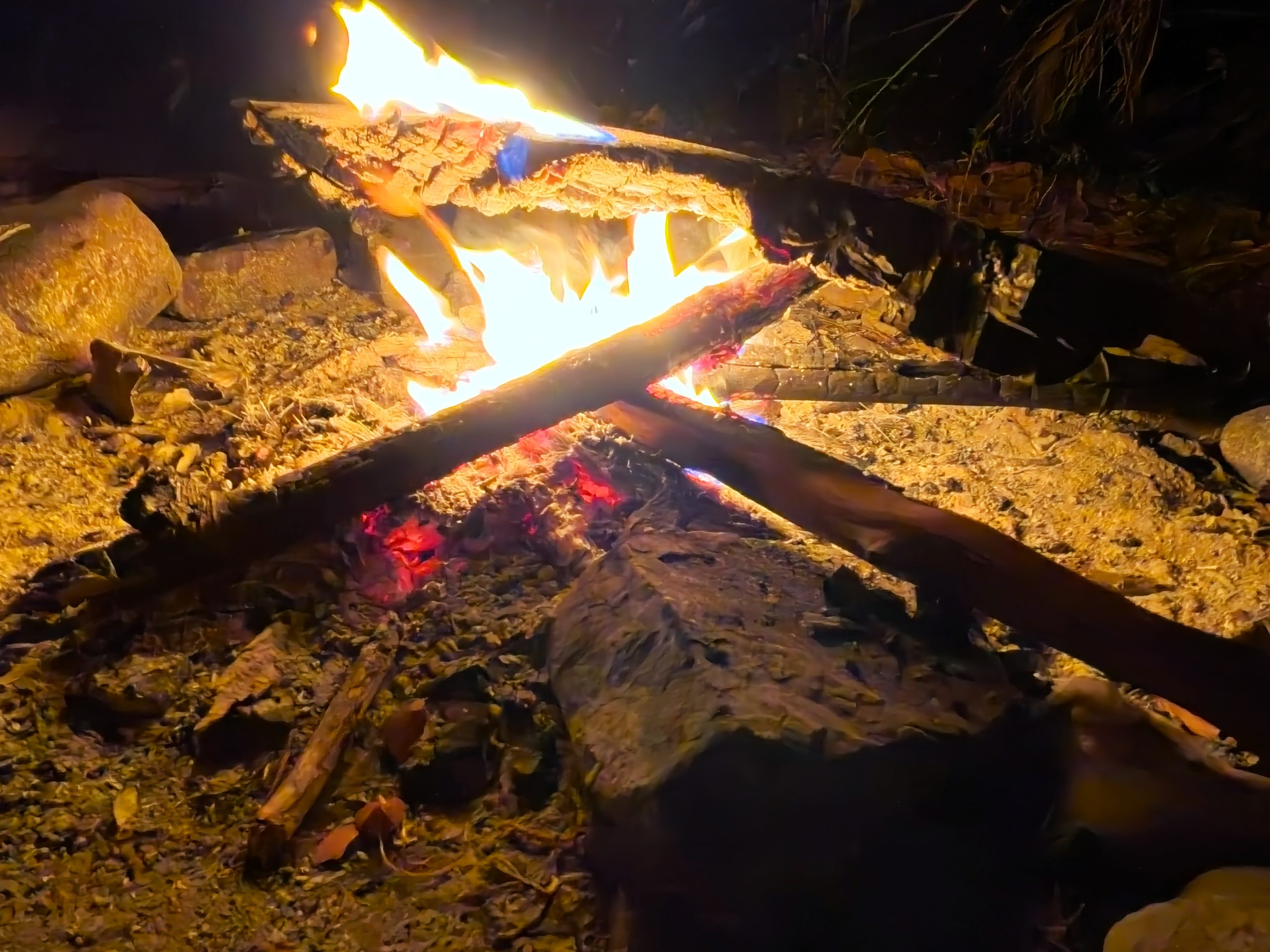
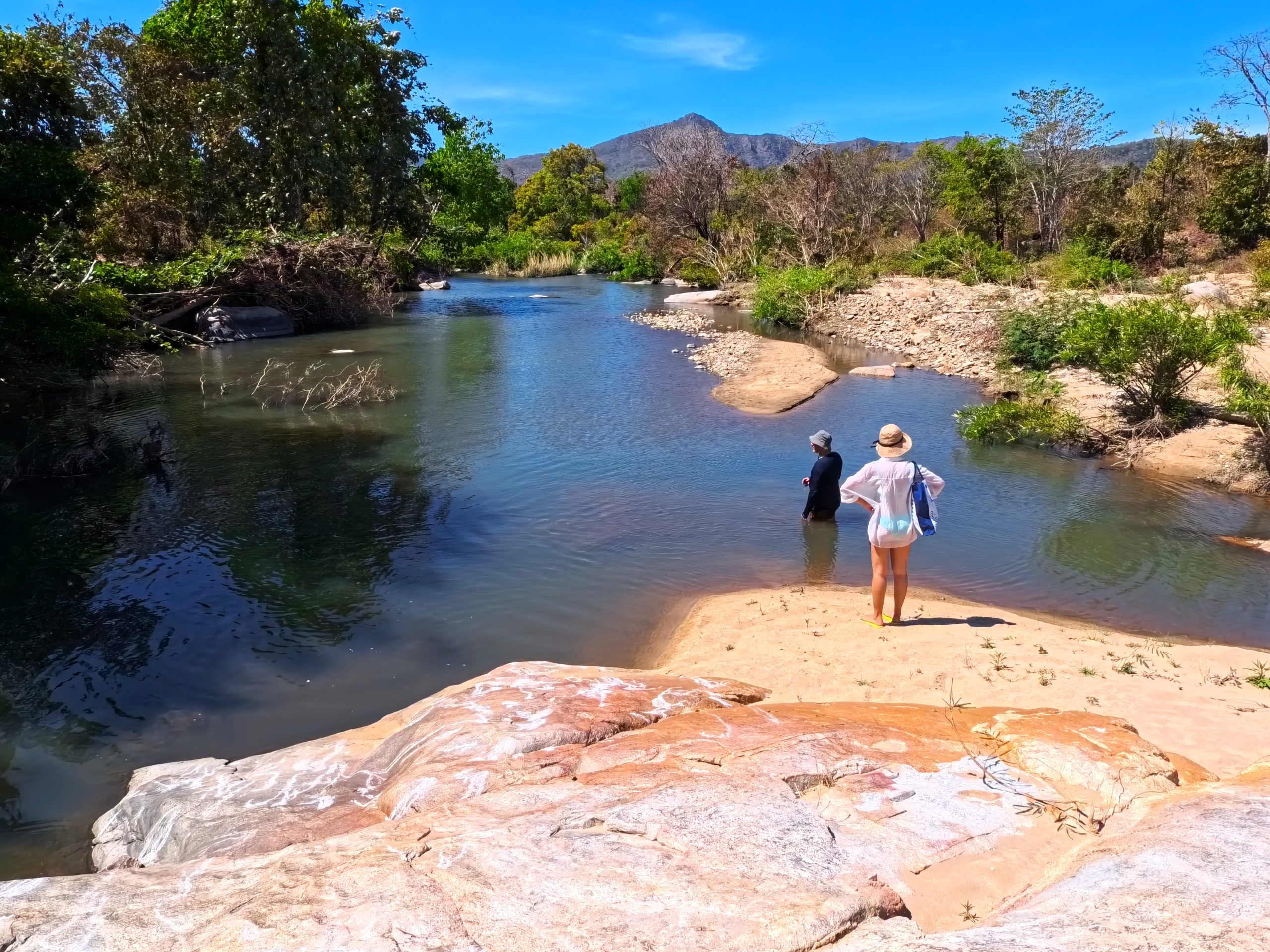
A couple of days into the lunar new year, I rode 150km south of Cam Ranh, leaving my parents for a few more days in the giant resort, while I met up with my friends, Châu and Martin, for my post-Tết tradition: wild camping. I’d selected a spot on the Lòng Sông River several weeks before. About an hour inland from the coast, the Lòng Sông River weaves between boulders on a plain surrounded by hills. The river is clean and good for bathing, paddling upstream and jumping between boulders. We spent a few nights doing what you do when wild camping: setting things up, exploring, cooking, talking and drinking by the campfire, enjoying the cool night breezes and the stars in a landscape without a single electric light in it, and wallowing in the kind of downtime that you never get – or never allow yourself – in almost any other context than camping. (Look out for my upcoming post about this camping spot on Vietnam Coracle.)

Support My Work
Free | Independent | No Sponsored Content
“Hello, if you enjoy my website, please support it.
Thank you.” Tom